

Promotion in today’s digital landscape demands innovative approaches that captivate your audience. Hybrid animation, which combines live-action and animation techniques, has emerged as a powerful tool in social media marketing, engaging viewers with its dynamic storytelling and visually appealing aesthetics. By leveraging this versatile medium, you can enhance your brand’s visibility and impact, creating content that resonates on multiple levels. As social media continues to evolve, understanding the potential of hybrid animation will empower you to stand out in a crowded marketplace.
Key Takeaways:
- Hybrid animation combines traditional and digital techniques, creating unique and captivating content for audiences.
- This approach enhances brand storytelling by blending various visual styles, making it more relatable and engaging.
- Social media algorithms favor visually rich content, allowing hybrid animation to achieve higher visibility and engagement rates.
- The versatility of hybrid animation allows brands to easily adapt to different platforms and target demographics.
- Emotional connections fostered by hybrid animation can lead to increased brand loyalty and customer retention.

The Evolution of Animation in Digital Marketing
Animation has transitioned from a novelty in marketing to a fundamental element in digital promotion. As technology advanced, so did the potential for creating engaging visual content. The rise of platforms like YouTube and social media made animated content more accessible, allowing brands to tap into broader audiences and convey complex messages in more digestible formats, truly revolutionizing their advertising strategies.
Historical Context of Animation in Advertising
Animation’s roots in advertising trace back to the early 20th century when animated shorts and jingles captivated audiences. Brands like Coca-Cola and Walt Disney pioneered this form of entertainment, using simple animations to engage consumers. As television emerged, animated commercials became a staple, solidifying animation’s place within the advertising landscape and demonstrating its power to influence consumer behavior, particularly among younger audiences.
The Shift to Hybrid Animation
With the emergence of digital platforms, the animation style began to evolve into hybrid forms that blend traditional techniques with innovative technologies. This shift has allowed artists to combine 2D and 3D animations, live-action footage, and even interactive elements, resulting in more dynamic and engaging content. Brands now leverage hybrid animation to maintain user attention in a crowded marketplace, adapting to diverse audience preferences and device formats.
Hybrid animation is particularly powerful in the context of social media marketing, where engagement is paramount. By integrating various styles, such as combining live-action with vivid animations, you can create a scrolling experience that captivates viewers. For instance, platforms like Instagram and TikTok thrive on visually stimulating content that captures fleeting attention spans. Brands like Nike and Apple have successfully utilized hybrid animation to weave storytelling with appealing visuals, ultimately enhancing audience interaction and brand loyalty. This approach not only elevates your marketing efforts but also sets you apart in a competitive landscape.
Understanding Hybrid Animation
Hybrid animation blends traditional hand-drawn techniques with modern digital artistry, resulting in a visually stunning and versatile storytelling medium. By fusing these practices, you can create dynamic content that resonates on multiple levels, effectively capturing audience attention and enhancing engagement.
Definition and Characteristics
Hybrid animation encompasses a variety of styles, combining 2D and 3D animation along with live-action elements. This technique allows for a rich visual narrative, where you can showcase characters in a realistic setting while bringing imaginative creations to life. Unique textures, layers, and vibrant colors characterize this approach, lending depth and creativity to your projects.
Benefits of Using Hybrid Animation
Implementing hybrid animation in your social media strategy offers several advantages, including enhanced storytelling potential and greater audience engagement. By merging different techniques, you tap into diverse visual aesthetics, appealing to a broader demographic. Companies utilizing hybrid animation report significant increases in shareability and brand recall rates, making it a potent tool for your promotional efforts.
Moreover, hybrid animation allows for greater creative freedom, enabling you to produce content that stands out in crowded feeds. According to recent studies, animated content generates 3.5 times more engagement than static posts, which underscores the effectiveness of this approach. As brands seek to differentiate themselves in a fast-paced digital landscape, leveraging hybrid animation has proven to be an effective method to maintain relevance and connect with your target audience more powerfully than traditional methods alone.
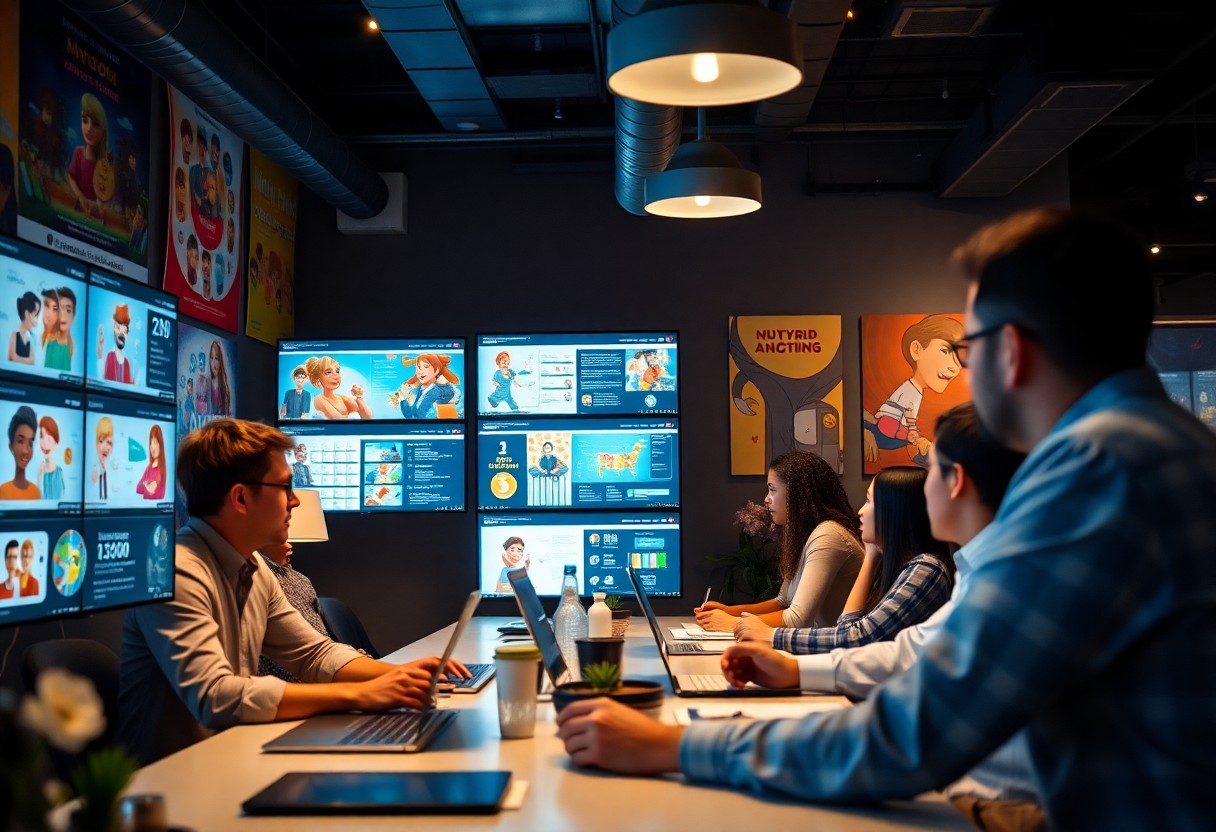
The Role of Social Media in Promotion
Social media serves as a powerful amplifier for your promotional efforts, providing an expansive reach to potential audiences. With over 4.9 billion active users globally, platforms like Instagram, TikTok, and Facebook enable you to showcase your hybrid animation content effectively, capturing attention in a crowded digital landscape. Utilizing these channels allows for immediate feedback, insights, and adjustments, fostering a dynamic approach to your promotional strategy that adapts in real time to audience preferences.
The Importance of Engagement
Engagement is the heartbeat of social media promotion; it transforms passive viewers into active participants. By using hybrid animation, you can create visually striking content that encourages interaction, whether through shares, comments, or likes. Engaging your audience fosters loyalty and drives word-of-mouth, which is invaluable for expanding your reach and building a recognizable brand identity.
Platforms that Favor Hybrid Animation
Concerning leveraging hybrid animation, certain platforms offer distinct advantages. Instagram and TikTok thrive on visual content, making them ideal for captivating animations that blend styles. YouTube’s long-form content is perfect for detailed animated storytelling, while Twitter’s bite-sized posts allow you to tease your animation work, driving traffic to longer pieces. Each platform’s unique characteristics lend themselves to different strategies for integrating hybrid animation.
Instagram, for instance, prioritizes highly visual content, making it an excellent choice for eye-catching animations that are quick to consume. TikTok’s algorithm favors innovative and engaging formats, positioning hybrid animations at the forefront of trending content. YouTube, with its vast audience, promotes detailed animated shorts that can tell complex stories within an accessible framework. Meanwhile, LinkedIn, often overlooked, seeks professional storytelling that resonates with its audience, allowing for hybrid animation to explain niche industry concepts brightly and engagingly. Being strategic about where you share your hybrid animation can significantly influence your campaign’s success and visibility.
Case Studies of Successful Hybrid Animation Campaigns
This section highlights successful hybrid animation campaigns that have effectively captured attention and driven engagement on social media. Analyzing these examples provides insights into how different approaches can be tailored to suit brand messaging and target audiences.
- Dropbox: Used hybrid animation in their “What is Dropbox?” campaign, resulting in a 10% increase in user sign-ups within the first month.
- Slack: Employed hybrid animation for their marketing video, garnering over 2 million views and increasing engagement by 50% on social platforms.
- Wendy’s: Launched a hybrid animation series on Twitter, leading to a 20% increase in follower interactions and a 15% bump in sales.
- Netflix: Released animated teasers for new shows utilizing hybrid techniques, which led to a 25% increase in viewer engagement compared to traditional ads.
Notable Brands and Their Approaches
Brands such as Airbnb, Coca-Cola, and Nike have successfully implemented hybrid animation in their campaigns, showcasing unique storytelling techniques. Airbnb leveraged whimsical animations to depict travel experiences, while Coca-Cola’s engaging animated ads invoked nostalgia, appealing to broader audiences. Nike integrated hybrid elements to emphasize emotional connections in their storytelling, which resonated well with customers and fostered brand loyalty.
Lessons Learned from Success Stories
Examining successful hybrid animation campaigns reveals valuable lessons about creativity and audience engagement. Effective use of visual storytelling not only captivates viewers’ attention but also communicates brand values succinctly, fostering deeper connections.
Learning from these victories, you should focus on crafting a narrative that resonates with your audience through relatable themes and visuals. The combination of live-action and animation can provide a unique hook that retains viewer interest and encourages sharing. As illustrated by Wendy’s and Slack, utilizing humor and emotional appeal can enhance shareability, leading to significant increases in brand interactions and conversions. Pay close attention to your target demographic’s preferences, adapting your animation style and delivery to create compelling content that stands out in a crowded digital landscape.
Challenges of Implementing Hybrid Animation
Despite its advantages, integrating hybrid animation into your social media strategy comes with notable challenges that demand consideration and planning.
Technical and Creative Constraints
Technical limitations, such as software compatibility and hardware requirements, can hinder your creative process. Additionally, merging different animation styles may dilute the visual coherence if not executed skillfully. Resources like Adobe After Effects, while powerful, may present a steep learning curve, impacting your team’s efficiency and creativity.
Balancing Quality and Production Time
Striking the right balance between high-quality output and quick turnaround is necessary in hybrid animation. You often face pressures from tight deadlines while aiming for visual excellence. The challenge lies in effectively managing both aspects without compromising either, which can lead to increased stress and reduced creativity in the production process.
Achieving this balance requires strategic planning and prioritization. You might begin by establishing clear objectives for each project, allocating specific time for creative brainstorming, and setting up guidelines to streamline production processes. For example, utilizing templates or reusable assets from previous works can dramatically reduce setup time while maintaining production value. Meanwhile, frequent team check-ins allow you to address potential bottlenecks before they escalate into schedule setbacks, ensuring that quality remains high without slipping into excessive delays. By implementing these measures, you can enhance efficiency without sacrificing the narrative and visual integrity that hybrid animation demands.
Future Trends in Hybrid Animation and Social Media
As you contemplate the future of hybrid animation in social media, anticipate significant innovations that enhance viewer engagement and brand storytelling. Emerging technologies, such as AI-driven animation tools and augmented reality integrations, will allow creators to produce highly personalized content that resonates with diverse audiences. You can expect more brands to adopt these technologies, leading to immersive and interactive experiences that blur the lines between reality and animation.
Innovations on the Horizon
Advancements in real-time rendering and machine learning are set to revolutionize the way hybrid animation is produced. These tools will empower you to create quality animations in shorter timeframes, allowing for rapid responses to current trends on social media. By leveraging user-generated content and incorporating it into animated formats, your campaigns can achieve greater authenticity and connection with audiences.
Predictions for the Next Five Years
Over the next five years, hybrid animation will become increasingly integral to marketing strategies across various industries. You’ll notice a rise in collaborations between brands and animators, with animated campaigns targeting niche demographics through tailored content. Data-driven insights will also inform animation style and timing, optimizing engagement rates and enhancing brand loyalty.
In five years, hybrid animation could surpass traditional methods in terms of viewer preference, with reports indicating that 70% of consumers prefer video content in their social feeds. Major platforms like Instagram and TikTok are likely to enhance tools for hybrid content creation, enabling you to craft cohesive, visually stunning ads that stand out. The blending of animation with live-action footage will also gain popularity, particularly in storytelling, as audiences crave more engaging narratives. Brands that leverage these trends will likely see increased market share and engagement, solidifying hybrid animation as a staple in social media marketing paradigms.
To wrap up
Conclusively, embracing hybrid animation as part of your social media strategy positions you at the forefront of contemporary marketing. This innovative approach combines the engaging qualities of traditional animation with the versatility of digital elements, creating content that resonates deeply with your audience. As visual storytelling becomes increasingly important, leveraging hybrid animation empowers you to capture attention, convey messages effectively, and foster deeper connections with your followers, enhancing your brand’s visibility and impact across social platforms.
FAQ
Q: What is hybrid animation?
A: Hybrid animation combines traditional 2D and 3D animation techniques to create visually engaging content. This approach leverages the strengths of both styles, allowing for more dynamic storytelling suited for diverse audiences.
Q: Why is hybrid animation effective for social media promotion?
A: Its versatility and appeal help brands stand out in crowded feeds. The blend of styles captures attention quickly, offering a unique visual experience that encourages sharing and engagement with potential customers.
Q: How does hybrid animation enhance viewer engagement?
A: By merging familiar animation styles, it creates a more relatable and immersive experience. This leads to improved viewer retention and increases the likelihood of interaction with shared content across platforms.
Q: What industries benefit most from using hybrid animation in their marketing?
A: Industries such as gaming, education, and tech find great value in hybrid animation. These fields often utilize complex visuals to explain concepts, making the engaging nature of hybrid animation ideal for their marketing strategies.
Q: What factors contribute to the rising popularity of hybrid animation in digital marketing?
A: The increasing need for innovative content, advancements in animation tools, and changing audience preferences have driven the growth of hybrid animation. Brands seek to differentiate themselves, making this mixed approach appealing for social media campaigns.