


You may have noticed that video and animated content often dominate your social media feeds. These algorithmic shifts are designed to prioritize motion-rich content, as platforms recognize its ability to capture your attention more effectively than static images or text alone. By understanding these trends, you can tailor your content strategy to align with the evolving algorithms, ensuring that your posts gain the visibility they deserve in a crowded digital landscape. This article will explore the mechanics behind these shifts and how you can leverage them to improve your engagement.
Key Takeaways:
- Algorithmic shifts on social platforms prioritize engagement, often favoring motion-rich content like videos and animations.
- Motion-rich content tends to capture user attention more effectively than static images or text-based posts.
- Increased consumption of mobile devices aligns with the preference for dynamic content formats, impacting algorithms.
- Content that promotes viewer interaction, such as polls or challenges, enhances the visibility of motion-rich formats.
- Creators and brands are adapting strategies to produce more engaging video content to align with evolving algorithms.
Understanding Algorithmic Shifts
Algorithmic shifts on social platforms are significant changes in the underlying algorithms that dictate content visibility and engagement. These shifts can dramatically influence what users see in their feeds, often prioritizing certain types of content over others based on engagement metrics and user preferences. Adapting to these changes is vital for content creators seeking to maximize reach and impact.
Definition of Algorithmic Shifts
Algorithmic shifts refer to alterations in the rules and processes that determine how content is ranked and presented on social media platforms. These changes can be triggered by various factors such as user behavior, technological advancements, and shifts in societal trends, requiring you to consistently adjust your strategies to maintain visibility.
Types of Algorithmic Changes
There are several key types of algorithmic changes that can impact your content strategy, including updates aimed at enhancing user experience, prioritizing engagement metrics, and refining content categorization. Understanding each type allows you to tailor your approach effectively. Consider the following types:
| Type of Change | Description |
|---|---|
| User Experience Focus | Changes aimed at improving how users interact with content. |
| Engagement Metrics Shift | Adjustments that alter what engagement metrics are prioritized. |
| Content Categorization | Refinement in how content is classified and surfaced. |
| Ad Algorithm Adjustments | Modifications that affect how promotional content is displayed. |
| Trends and Behaviors Analysis | Updates based on emerging user behaviors and interests. |
Some algorithmic changes prioritize mechanisms that enhance the user experience by minimizing spam or irrelevant content, making way for more engaging and authentic posts. Further, engagement metrics can shift as platforms evolve to track interactions more accurately, leading to adjustments in your content presentation strategy. To navigate these updates effectively, you must continually analyze metrics and seek out evolving trends that resonate with your audience.
- Assume that adapting to algorithmic changes involves closely monitoring engagement analytics and user feedback.
| Change Type | Implication for Content |
|---|---|
| Algorithm Fine-Tuning | May require you to adjust post timing and frequency. |
| Emphasis on Video Content | Encourages more motion-rich and dynamic content creation. |
| Increased Transparency | Allows you to better understand ranking factors for content visibility. |
| Algorithm Lifecycle | Signifies that platforms periodically overhaul ranking systems. |
| Sensitivity to Misinformation | Informs you to create accurate and credible content. |
- Assume that staying informed on algorithmic trends lays the groundwork for effective content strategies.
Motion-Rich Content Defined
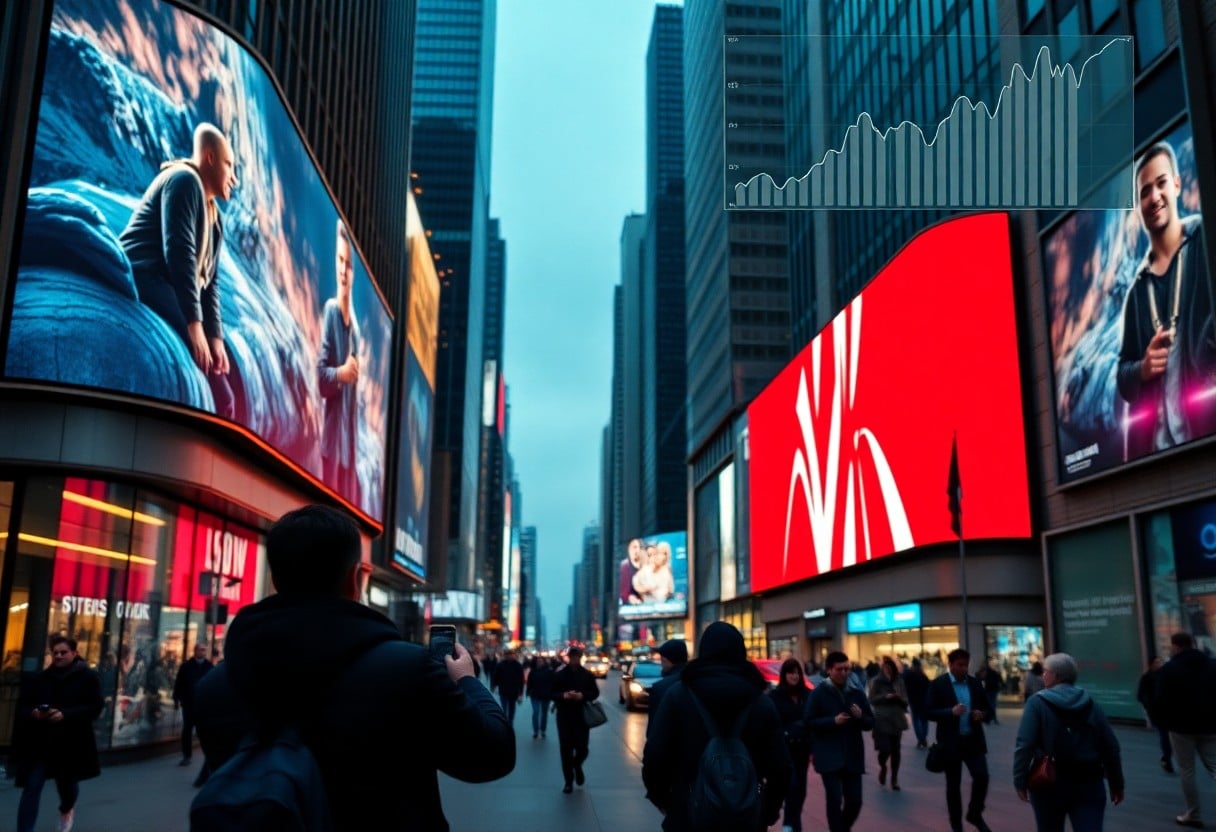
Motion-rich content refers to any media that incorporates movement, including videos, GIFs, and animations. This type of content captures attention more effectively than static images or text alone, leveraging visual engagement to enhance storytelling. As social platforms increasingly favor dynamic formats, motion-rich content becomes vital in reaching wider audiences and maximizing impact.
Characteristics of Motion-Rich Content
Motion-rich content is marked by its ability to convey information quickly and engagingly. Typically, it features vivid visuals, dynamic transitions, and audio elements that enhance viewer retention. For instance, a concise explainer video can distill complex information into digestible segments, making it more appealing than lengthy text. This brevity combined with movement fosters a more immersive viewer experience.
Importance of Engagement
Engagement is a key driver behind the success of motion-rich content. Social platforms prioritize content that captivates users, and studies reveal that videos receive significantly higher interaction rates than static posts. For instance, Facebook reports that video posts generate approximately 135% more organic reach than images, demonstrating how your content’s format can directly influence visibility.
Incorporating engagement analytics shows that motion-rich content not only garners more views but also fosters deeper connections with your audience. Videos can boost comments, shares, and overall interactions, which are vital indicators of audience interest. As users increasingly prefer visual content, it’s vital to adapt your strategies to leverage this trend; aligning with audience preferences ensures that your posts perform optimally within social platform algorithms, ultimately leading to greater outreach and influence.
The Impact of Algorithmic Shifts on Content Discovery
As social platforms evolve, your ability to discover content relies heavily on the algorithms that curate what you see. Algorithmic shifts often enhance the visibility of certain content types, emphasizing engagement over organic reach. This repositioning can significantly reshape your content discovery experience, pushing you towards motion-rich formats that capture attention and elicit interaction. These shifts redefine the landscape of what becomes trending, drawing you towards more dynamic and lively content as platforms prioritize algorithms aimed at maximizing user retention.
Visibility of Motion-Rich Content
Motion-rich content consistently garners higher visibility on social platforms, thanks to algorithmic preferences for materials that drive user engagement. Videos, GIFs, and animations not only attract your attention but also encourage sharing and interaction. Because platforms measure success through user feedback signals, this type of content tends to rank higher in your feed, making it easier for you to stumble upon it and engage.
User Behavior and Interaction Trends
User behavior has shifted dramatically toward favoring interactive and visually engaging formats. You’re more likely to spend time watching a lively video or engaging with an animated post than a static image or text alone. With platforms recording increased watch times and interactions with this content, it’s clear that your preferences influence algorithmic priorities, leading to a stream of visually rich experiences designed to keep you engaged longer.
Your interaction habits are shaping the landscape of content consumption in real-time. For instance, studies indicate that video consumption skyrocketed, with users spending up to 80% more time on platforms showcasing motion-rich content. This trend impacts how creators strategize their posts; you may notice more brands investing in high-quality video production to capture your attention. Platforms use engagement metrics to fine-tune what appears in your feed, continuously adapting to your preferences and behaviors, which can lead to a feedback loop that favors increasingly rich content experiences.

Case Studies: Successful Motion-Rich Content Strategies
Several brands have effectively harnessed motion-rich content, achieving notable engagement metrics. For instance, Nike’s use of animated graphics in Instagram Stories boosted their click-through rates by 30%. Similarly, BuzzFeed saw a 50% increase in shares when utilizing GIFs in their Facebook posts. Other examples include Spotify, which reported a 40% growth in user interactions through video playlists, and Taco Bell, whose engaging Snapchat ads yielded a 58% higher engagement than static ads.
Platform-Specific Examples
Different platforms exhibit unique responses to motion-rich content. On Instagram, Adidas utilized short video clips, generating a 1.5X increase in user interactions. YouTube’s promotional animations resulted in a 60% higher retention rate compared to traditional thumbnails. TikTok’s viral challenges leveraged motion to propel brands like Chipotle, achieving millions of views and creating a spontaneous user engagement surge.
Analysis of User Engagement Metrics
Examining engagement metrics reveals how motion-rich content significantly impacts user behavior. Brands employing dynamic visuals consistently see increased interaction, with average completion rates of video content reaching upwards of 80%. Posts featuring animated elements typically elicit higher shares and comments, reflecting deeper user involvement. As you incorporate these strategies, expect tangible improvements in your social media performance.
In-depth analysis of user engagement metrics uncovers patterns indicating optimal strategies for your content. Video content has an average engagement rate of 1.5 times higher than static images across platforms. More remarkably, platforms like Instagram and TikTok show that posts with motion-rich elements achieve a 200% increase in shares. You can capitalize on these insights by continuously reviewing analytics to refine your approach, tailoring motion-rich content to suit your audience’s preferences and behaviors effectively.
Challenges Facing Motion-Rich Content Creators
Creating engaging motion-rich content comes with several challenges that can hinder your success. These include the need for technical skills, understanding visual storytelling, and managing production resources. Additionally, keeping content fresh and innovative becomes increasingly difficult in an environment where audience preferences change rapidly.
Competition and Saturation
The growth of motion-rich content has led to significant competition among creators. Platforms are flooded with video content, making it harder for your work to stand out. As nearly 500 hours of video are uploaded to YouTube every minute, the sheer volume can overwhelm viewers, pushing your content into the background.
Adapting to Constant Algorithm Changes
You face the ongoing struggle of keeping pace with frequent algorithm updates that affect visibility. These changes can alter how your audience discovers your content, often without notice, requiring you to be agile and responsive in your content creation strategy.
Continuously adapting to algorithm changes is imperative for maintaining engagement. For example, shifts may prioritize different types of content or user interactions, which necessitate a strategy that focuses on analytics and performance metrics. Understanding which content performs well under the new algorithm will help you tailor your creations to fit emerging trends, ensuring you remain relevant amidst the evolving landscape.
Future Trends in Algorithmic Favor towards Motion-Rich Content
Anticipating future directions, algorithmic favor is poised to increasingly prioritize motion-rich content as user engagement metrics become more central to success. With advancements in AI and machine learning, platforms will likely refine their focus on interactive and visually dynamic formats that captivate audiences. The enhanced data analytics capabilities will enable platforms to serve content that resonates more deeply, strategically selecting videos and animations that align with user behaviors and preferences.
Predictive Insights
As platforms evolve, predictive analytics will provide insights into trending motion-rich content types by analyzing user behavior patterns. Algorithms will use this data to customize user feeds, promoting content that anticipates your interests, ultimately enhancing engagement and satisfaction.
Potential Shifts in User Preferences
User preferences are likely to gravitate towards motion-rich formats for an immersive experience that static content cannot match. The appeal of dynamic storytelling, coupled with the instant gratification offered by short video clips, creates a demand for content that is not only informative but also entertaining and visually engaging.
This shift may be influenced by the success of platforms like TikTok, where motion-rich content dominates engagement metrics. Users increasingly favor quick, visually appealing interactions over text-heavy posts. Notably, surveys show that 70% of consumers prefer video content to text for learning about products or services. This suggests a behavioural pivot, urging brands to invest in high-quality motion-rich content that resonates with this evolving audience. Emphasizing visual storytelling will be crucial for maintaining relevance in a landscape increasingly driven by user expectations for immediacy and innovation.
Conclusion
With these considerations, you can see how algorithmic shifts on social platforms increasingly favor motion-rich content. By prioritizing engaging and dynamic visuals, these algorithms enhance user interaction and retention. Understanding this trend allows you to tailor your content strategy effectively, ensuring that your posts resonate with your audience and improve visibility. By embracing the power of motion-rich elements, you can elevate your content and meet the demands of evolving digital landscapes.
FAQ
Q: What are algorithmic shifts in social platforms?
A: Algorithmic shifts refer to changes in the algorithms that dictate how content is prioritized and distributed on social media platforms. These shifts can directly influence user engagement by altering what type of content appears in feeds.
Q: How do motion-rich content types differ from static content?
A: Motion-rich content includes videos, animations, and GIFs, which tend to capture attention more effectively than static images or text. This dynamic nature encourages higher viewer engagement and interaction.
Q: Why are platforms favoring motion-rich content?
A: Social media platforms favor motion-rich content due to its ability to attract more views and shares. Engaging videos and animations can enhance user retention and interaction metrics, which are key performance indicators for these platforms.
Q: How can creators optimize their content for algorithmic shifts?
A: Creators can optimize content by incorporating more video and motion graphics, focusing on storytelling, and ensuring that the first few seconds are captivating. Keeping content concise and shareable also aligns with the preferences of current algorithms.
Q: What role does user engagement play in content visibility?
A: User engagement is critical as social media algorithms increasingly prioritize content that generates likes, comments, shares, and watch time. Higher engagement signals to the algorithm that the content is valuable, leading to increased visibility in user feeds.