

Most marketing professionals seek innovative ways to engage audiences and enhance emotional connection through their campaigns. Exploring the integration of synesthetic visuals in animated content could offer you a transformative perspective on how to invoke deeper feelings in your viewers. By appealing to multiple senses simultaneously, these techniques not only captivate your audience but also leave a lasting impression that resonates long after the viewing experience. This post explores into the impact of synesthetic visuals in animated campaigns and how they can serve as a powerful tool in your marketing arsenal.
Key Takeaways:
- Synesthetic visuals engage multiple senses, enhancing viewer experience and emotional impact.
- Integrating sound and imagery can create stronger emotional connections in animated campaigns.
- Unique visual presentations can differentiate a brand and make it more memorable.
- Research suggests that synesthetic approaches may improve information retention among audiences.
- Animations using synesthetic elements can evoke deeper emotional responses, potentially increasing audience engagement.
Understanding Synesthesia
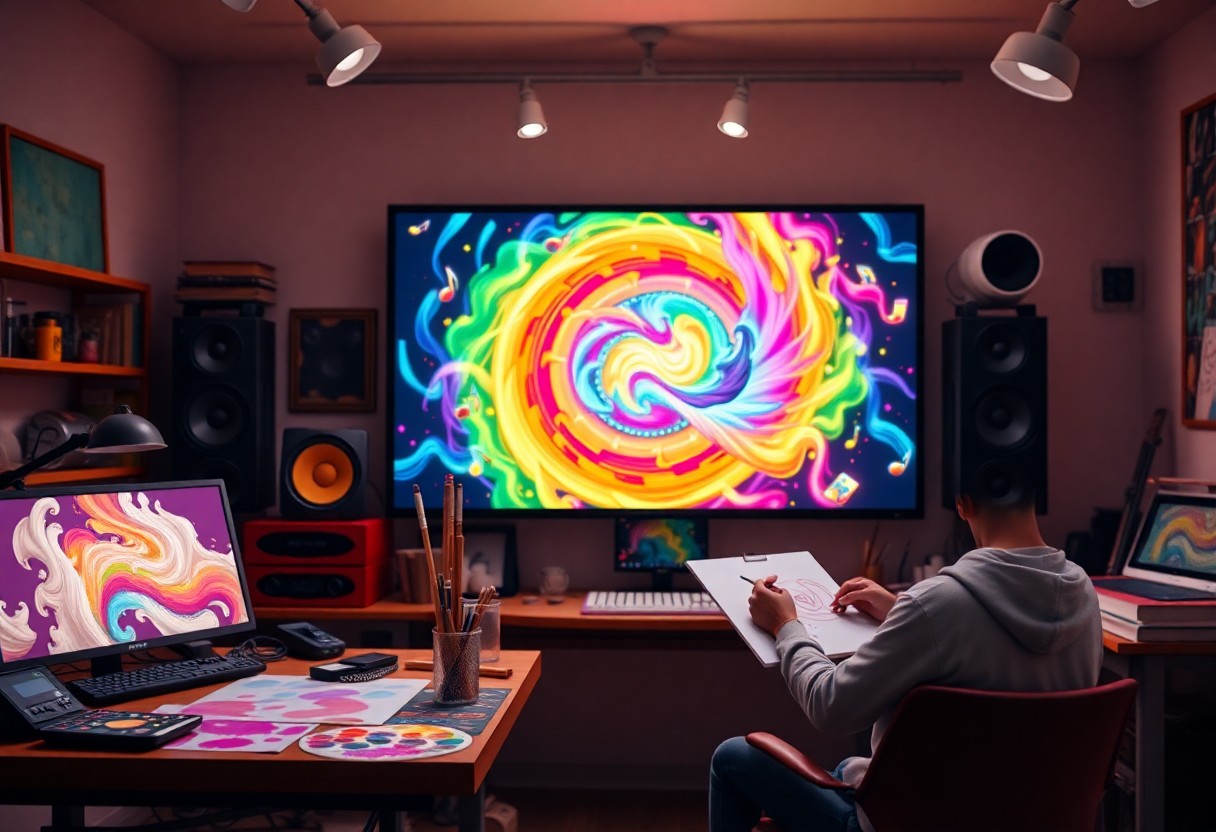
Synesthesia is a fascinating neurological phenomenon where stimulation of one sensory modality leads to involuntary experiences in another. Individuals with synesthesia may perceive sounds as colors or associate specific tastes with certain words. This unique blending of senses can enhance creativity and perception, making it a compelling area of study, particularly for those exploring its applications in animated campaigns.
Definition and Types
Synesthesia encompasses various forms, each with distinct characteristics. Some common types include:
- Grapheme-color synesthesia: Letters or numbers trigger specific colors.
- Sound-color synesthesia: Sounds evoke visual images or colors.
- Taste-color synesthesia: Tastes produce color sensations.
- Lexical-gustatory synesthesia: Words prompt specific tastes.
- Personification: Numbers or letters are associated with personalities.
This diversity allows for a rich understanding of sensory integration in the brain.
| Type of Synesthesia | Description |
| Grapheme-color | Colors associated with letters/numbers |
| Sound-color | Colors perceived with auditory stimuli |
| Taste-color | Flavors trigger visual experiences |
| Lexical-gustatory | Words linked to specific tastes |
| Personification | Numbers/letters given personalities |
Neurological Basis
The neurological underpinnings of synesthesia involve unusual connectivity between different regions of the brain. This means that pathways that typically operate independently can become cross-wired, blending sensory experiences. Research indicates that increased gray matter in certain areas, such as the fusiform gyrus, correlates with these synesthetic responses. Neuroimaging studies reveal that synesthetes may have atypical patterns in their brain structure and function.
Various studies using functional MRI (fMRI) have demonstrated that when synesthetes experience a sensory stimulus, multiple brain areas activate simultaneously. For example, in grapheme-color synesthesia, the visual cortex is engaged alongside regions responsible for color perception. This linking of sensory regions creates a unique cognitive landscape that enhances one’s sensory experience and can influence emotional perceptions, making it particularly relevant for animated campaigns that rely on evoking strong feelings through visuals.
The Role of Emotion in Animation
Effectively tapping into emotion transforms animated campaigns, allowing audiences to connect deeply with the narrative. Emotions shape viewer responses, influencing retention and shareability. By leveraging color, movement, and character expressions, animators craft a rich tapestry that evokes feelings, whether joy, sadness, or nostalgia. Studies show that emotional engagement enhances brand recall, reinforcing the idea that stimulating feelings is vital for impactful storytelling.
Emotional Engagement through Visuals
Visual elements play a fundamental role in emotional engagement, bridging the gap between narrative and viewer experience. The use of color palettes, character designs, and dynamic movement can cultivate specific emotions, creating an immersive atmosphere. For example, warm colors often evoke comfort while cool tones can express melancholy. You can harness these visual cues to resonate with your audience on a personal level, enhancing the overall impact of your animation.
Storytelling Techniques
Storytelling techniques in animation significantly influence emotional experiences, as they dictate how narratives unfold and intertwine with visuals. You should focus on character development, pacing, and narrative arcs that keep audiences invested. Utilizing techniques like the hero’s journey provides a familiar structure for viewers, making the emotional journey relatable and compelling. Flashbacks or visual metaphors can also deepen understanding and connection, layering emotional resonance in a brief timeframe.
Your choice of storytelling techniques can transform an average animated campaign into a memorable experience. For instance, incorporating a non-linear narrative structure can engage viewers by gradually revealing character backstories and motivations, enhancing emotional attachment. Highlighting universal themes, such as love, loss, and triumph, ensures your audience sees reflections of their own experiences, facilitating connections. Furthermore, utilizing visual metaphors-such as a wilting flower to symbolize loss-can evoke deeper emotional responses and provide a memorable visual signature. This multi-faceted approach ensures that your animation resonates emotionally and stays with the viewer long after they’ve seen it.
Synesthetic Visuals in Campaigns
Incorporating synesthetic visuals into campaigns allows you to create more immersive experiences, capturing attention and evoking deeper emotional responses. By blending elements such as vibrant colors with specific sounds or textures, your animated content becomes multi-dimensional, inviting the audience to engage on various sensory levels. This approach can transcend traditional storytelling, prompting viewers to forge stronger emotional connections by appealing to their individual sensory associations.
Examples of Successful Campaigns
Notable examples include the iconic Coca-Cola “Taste the Feeling” campaign, which paired refreshing visuals with invigorating sounds, creating an association between taste and emotional satisfaction. Similarly, Google’s “Open the Web” campaign used colorful and dynamic animations synchronized with upbeat music to evoke positivity and excitement about digital experiences. Both demonstrate how synesthetic elements enhance viewer engagement and emotional resonance.
Impact on Audience Perception
Integrating synesthetic visuals significantly alters audience perception by evoking distinct emotions tied to multi-sensory experiences. When you synchronize visual elements with sound, it enhances memory retention and strengthens emotional bonds between the audience and the brand. Research shows that campaigns incorporating synesthetic features boost overall engagement, leading to higher recall rates and favorable brand associations.
Psychological Effects of Synesthetic Visuals
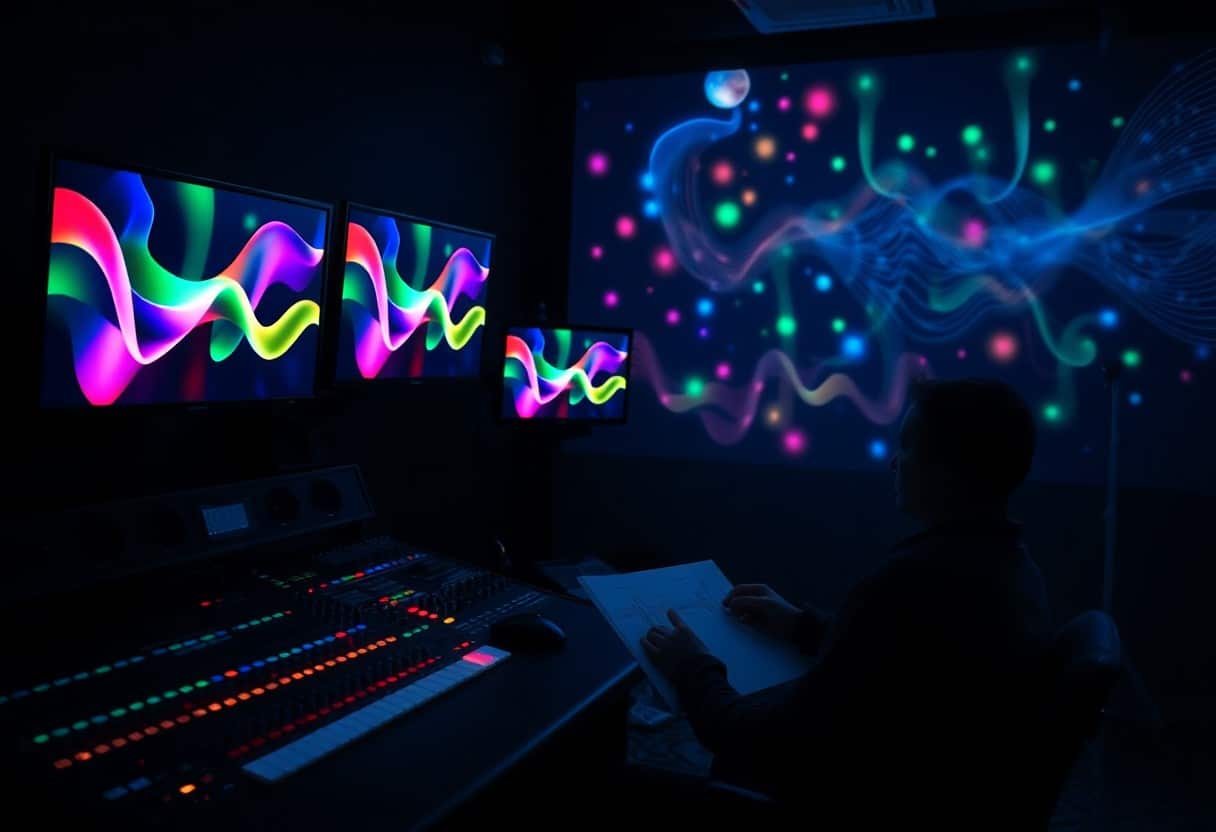
Utilizing synesthetic visuals in animated campaigns significantly influences audience perception and retention. By merging sensory experiences, these visuals create a richer, multifaceted narrative that engages viewers on multiple levels. This complex stimulation can enhance cognitive processing, making your message more impactful and memorable.
Memory Retention
Synesthetic visuals can significantly improve memory retention by creating unique associations between sensory experiences. When you see colors tied to specific sounds or emotions, it forms a vivid mental map that’s easier to recall later. Research indicates that multisensory experiences activate more areas of the brain, leading to stronger retention of information.
Emotional Response
Incorporating synesthetic visuals triggers heightened emotional responses, capturing your audience’s attention and fostering a sense of connection. These visuals elicit feelings by intertwining colors, shapes, and movements with auditory elements, transforming mundane experiences into emotionally charged moments. This blending creates a compelling atmosphere that resonates deeply, prompting viewers to engage more profoundly with the content.
When you experience synesthetic visuals, your brain processes information in a way that enhances emotional engagement. For instance, a soft blue hue paired with gentle melodies may invoke feelings of tranquility and nostalgia, while vibrant reds and energetic rhythms can evoke excitement. Studies have shown that engaging multiple senses can amplify emotional responses, making campaigns not only more enjoyable but also unforgettable. By crafting an emotional soundtrack alongside associative visuals, brands can forge lasting connections, driving both loyalty and action from their audience.
Challenges in Implementing Synesthetic Elements
Integrating synesthetic elements in animated campaigns comes with its own set of obstacles. While the concept is alluring, the challenges of execution can hinder its effectiveness. From design intricacies to varying audience perceptions, navigating these complexities requires careful planning and innovative strategies to ensure that the intended message resonates without overwhelming viewers.
Design Complexity
Crafting animations that effectively convey synesthetic experiences can lead to increased design complexity. You must consider how colors, shapes, and movements interact to produce the desired sensory associations. Achieving a harmonious balance between artistic expression and viewer comprehension often necessitates iterative designs and collaboration among various creative disciplines, complicating the production timeline.
Audience Variation
Your audience’s familiarity with synesthetic concepts varies widely. Some viewers might readily engage with multisensory elements, while others may not connect with or recognize these nuances. This gap can influence how effectively the campaign communicates its intended message, requiring a strategic approach to both content design and audience targeting to maximize impact.
The diversity in audience experiences with synesthesia means that not everyone perceives sensory stimuli in the same way. Some individuals may naturally perceive sounds as colors or tastes, while others have no such connection. This variation can lead to misinterpretations of your campaign’s intent, making it crucial to conduct audience research and tailor content accordingly. Engaging with different demographics can shed light on varying sensory perceptions, helping to create a more inclusive and resonant experience that acknowledges and celebrates these differences.
Future of Synesthetic Visuals in Marketing
As animated campaigns evolve, the integration of synesthetic visuals is set to reshape marketing strategies fundamentally. With advancements in AI and immersive technologies, marketers can explore innovative ways to create multisensory experiences that resonate emotionally. This shift opens avenues for campaigns that not only engage but also leave lasting impressions by appealing to various senses. The future may see a harmonious blend of sound, color, and movement that captures the complexity of human emotions.
Trends and Innovations
You can expect to see a rise in brands adopting augmented reality and virtual reality to harness synesthetic experiences, merging audio-visual elements seamlessly. Innovations like interactive storytelling will allow audiences to influence the narrative through sensory engagement, making campaigns more personal and immersive. Companies are already experimenting with data-driven insights to tailor synesthetic experiences to different demographics, increasing emotional impact and consumer connection.
Potential Research Directions
The exploration of synesthetic visuals in marketing opens up various research avenues, focusing on consumer behavior, sensory perception, and emotional engagement. You might investigate how different combinations of sensory stimuli affect brand recall or consumer purchasing decisions. Additionally, studying the neurological responses to synesthetic elements could provide insights into optimal design strategies for advertising that leverages emotional resonance.
Delving deeper into potential research directions, you can analyze how factors like culture, age, and personal experiences influence individual responses to synesthetic elements in campaigns. Experimental studies could measure brain activity variations when audiences encounter multisensory stimuli, revealing which combinations yield the strongest emotional responses. Furthermore, longitudinal studies examining the lasting effects of synesthetic marketing on brand loyalty and consumer behavior would offer valuable information for future campaign strategies, driving a deeper understanding of these powerful marketing tools. By focusing on these areas, you can contribute significantly to the growing dialogue surrounding synesthesia’s role in enhancing marketing effectiveness.
Summing up
From above, you can see that incorporating synesthetic visuals in animated campaigns can significantly enhance emotional resonance. By appealing to multiple senses simultaneously, you engage your audience on a deeper level, allowing for a more immersive experience. The integration of sound and color can evoke feelings and memories that resonate with your viewers, forging stronger connections to your message. As you explore this innovative approach, consider how these elements can be tailored to your specific audience, ultimately leading to more impactful and memorable campaigns.
FAQ
Q: How can synesthetic visuals enhance emotional responses in animated campaigns?
A: Synesthetic visuals can create a multi-sensory experience that engages audiences more deeply. By combining colors, shapes, and movements with sounds or specific emotions, these visuals can elicit stronger emotional reactions, making the message more memorable and impactful.
Q: What types of emotions are most effectively conveyed through synesthetic elements?
A: Emotions such as joy, sadness, and nostalgia can be amplified through synesthetic visuals. For instance, bright, warm colors paired with upbeat music can evoke happiness, while cooler hues and softer sounds may convey melancholy, allowing audiences to connect with the narrative on a deeper level.
Q: Are there specific techniques for incorporating synesthetic visuals in animation?
A: Techniques include color-music mapping, where specific colors correspond to musical notes, and rhythmic synchronization, where animations sync with sound patterns. These methods help create a seamless blend of visual and auditory stimuli that heightens audience engagement.
Q: What is the potential impact of synesthetic visuals on brand recall?
A: Synesthetic visuals can improve brand recall by fostering emotional connections between viewers and the brand. When emotional engagement is heightened through immersive designs, audiences are likely to remember the content and associate positive feelings with the brand.
Q: Can synesthetic visuals alienate certain audiences?
A: While most viewers appreciate creative approaches, some individuals might find synesthetic elements overwhelming or confusing. It’s important to balance sensory inputs to ensure that the message remains accessible while still engaging through creative visual techniques.