

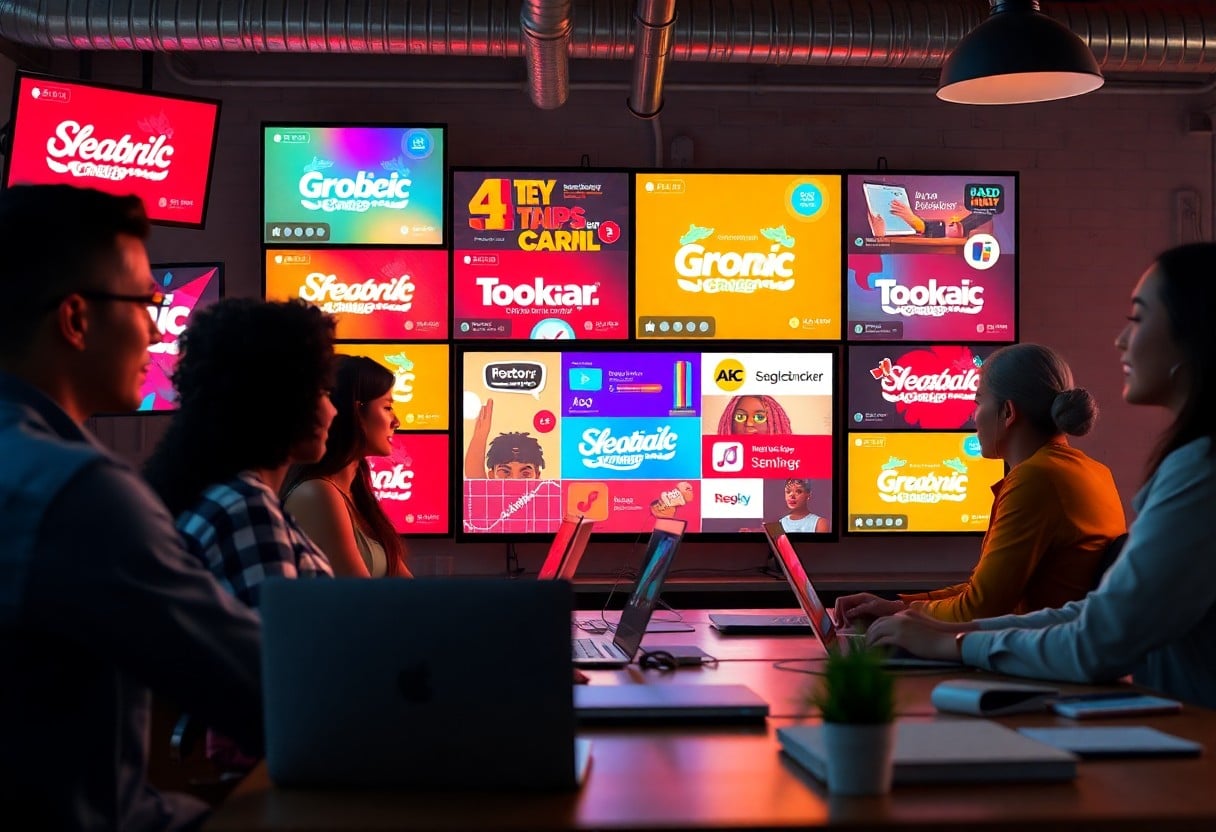
Storytelling has evolved significantly with the rise of digital platforms, and you can harness the power of kinetic storytelling through animation to elevate your brand engagement. This innovative approach transforms static narratives into dynamic experiences, capturing your audience’s attention and fostering deeper connections. By incorporating animation, you can create compelling visual stories that resonate with viewers, making your brand memorable and distinctive in a crowded online marketplace. Explore how adopting this engaging technique can reshape your brand’s narrative and improve interactions with your target audience.

Key Takeaways:
- Kinetic storytelling enhances emotional connection, making brands more relatable to audiences.
- Animated content has higher shareability potential, increasing reach and engagement across platforms.
- Dynamic visuals can simplify complex concepts, aiding in better audience understanding and retention.
- Interactive elements within animations encourage active participation, boosting user engagement.
- Brand narratives told through animation can create a unique identity that differentiates from competitors.
Understanding Kinetic Storytelling
Kinetic storytelling blends motion and narrative to create an immersive experience that captivates audiences. This technique leverages animation and visual storytelling principles to convey messages dynamically, engaging viewers on multiple sensory levels. By utilizing movement, sound, and visual elements, you can enhance emotional connections and foster an active engagement with your brand.
Definition and Elements
Kinetic storytelling encompasses a range of elements, including animation, typography, and sound that collectively drive a narrative forward. This form of storytelling relies on visual metaphors and character-driven plots, creating an immediate emotional impact. You can enhance your brand message through vibrant scenes that communicate complex ideas succinctly and artfully.
Historical Context and Evolution
The roots of kinetic storytelling can be traced back to early animation techniques, which have evolved dramatically with technological advancements. From hand-drawn animation to sophisticated computer-generated imagery, these developments have enabled brands to push creative boundaries. As online platforms gained popularity, the transition from static to animated content became necessary in capturing audience attention in crowded digital spaces.
In the early 1900s, animation was primarily used for entertainment, with pioneers like Walt Disney popularizing the format. By the late 20th century, the introduction of computers transformed animation production, making it more accessible and cost-effective. This shift laid the groundwork for brands to incorporate animated storytelling into their marketing strategies, with platforms like YouTube and social media amplifying its reach. Today, brands like Airbnb and Dropbox effectively use kinetic storytelling to simplify complex narratives and enhance user engagement, demonstrating its evolved role in digital marketing. As technology continues to advance, the potential for innovative storytelling methods remains limitless, inviting organizations to explore new ways to connect with their audience.
The Role of Animation in Storytelling
Animation transforms storytelling into an immersive experience, allowing brands to create emotional connections with their audience. By blending visuals with a compelling narrative, you can convey your message more dynamically. Instead of static images or text, animated storytelling evokes curiosity and captures attention, making complex ideas more digestible. Through vibrant characters and imaginative sequences, you cultivate an engaging atmosphere where your brand’s personality shines through, ensuring that your message resonates long after it has been delivered.
Techniques and Tools
Utilizing various animation techniques, such as 2D, 3D, and stop-motion, enhances your storytelling capabilities. Tools like Adobe After Effects, Blender, and Toon Boom Harmony enable you to craft high-quality animations that effectively visualize your narrative. Incorporating motion graphics further enriches the storytelling process, allowing you to integrate data and statistics in engaging ways, thereby reinforcing your brand’s message and making it more memorable.
Impact on Audience Perception
Animation positively influences how your audience perceives your brand. When you leverage animated storytelling, you enhance relatability and foster emotional bonds, which are necessary for brand loyalty. Studies indicate that animated content stands out significantly, with animated videos generating 1200% more shares than text and images combined. This visual approach not only simplifies complex ideas but also elicits emotional responses, making your message more impactful and increasing recall.
Moreover, brands like Dropbox and Airbnb effectively utilize animated storytelling to establish trust and affinity. Dropbox’s early animations explained their complex cloud storage service simply, while Airbnb’s whimsical cartoons showcase unique travel experiences. By presenting your brand’s values through relatable animated characters or situations, you can effectively engage viewers and guide them toward intended actions, ultimately driving conversions and customer loyalty.
Enhancing Brand Engagement Through Animation
Animation has the power to elevate brand engagement by delivering captivating narratives that resonate with your audience. Through vivid visuals and dynamic storytelling, animated content captures attention and fosters deeper connections. These engaging experiences transform passive viewers into active participants, making your brand more memorable and approachable.
Emotional Connection and Message Retention
When you utilize animation effectively, you create an emotional bond with your audience that enhances message retention. Animated characters and scenarios can evoke feelings that resonate on a personal level, allowing your audience to connect with your brand’s values and identity. This emotional engagement leads to higher recall of your brand message long after the content has been viewed.
Case Studies of Successful Brands
Several brands have successfully leveraged animation to enhance engagement and drive results. The following case studies highlight how animation can transform marketing strategies and build stronger customer relationships:
- Dropbox: Animated explainer videos increased user signups by 10%, simplifying complex features for users.
- Chipotle: The animated short “Back to the Start” raised awareness of sustainable farming and increased sales by 25% after its release.
- Airbnb: Animated ads improved brand perception, resulting in a 30% increase in bookings following the campaign.
- Pencil: The digital drawing tool saw a 50% rise in user retention through engaging animated tutorials.
These case studies demonstrate the tangible impacts of animated content on brand engagement. For instance, Dropbox’s success illustrates how simplifying messages through animation can effectively drive action, while Chipotle’s emotionally driven animation not only told a story but also aligned with consumer values, resulting in impressive sales growth. Such examples underscore the necessity for brands to incorporate animation strategically into their marketing efforts.

Integrating Kinetic Storytelling into Marketing Strategies
To effectively harness kinetic storytelling, brands must incorporate it into their marketing strategies thoughtfully. Begin by defining your brand’s narrative and identifying key messages that resonate with your audience. Use animation to convey complex ideas simply and engagingly, enhancing relatability. Additionally, integrating animated stories across multiple channels-social media, email campaigns, and websites-will ensure a cohesive narrative that captures attention and drives engagement.
Best Practices for Implementation
Your implementation of kinetic storytelling can flourish with a few best practices. Start by aligning your animation style with your brand’s identity to maintain consistency. Experiment with various formats, such as short clips for social media or longer pieces for website content, and emphasize emotion to create a deeper connection. Collaborating with skilled animators can also enhance the quality of your storytelling, ensuring that visuals match the narrative seamlessly.
Measuring Effectiveness and ROI
To ascertain the impact of kinetic storytelling, establish clear metrics related to engagement, shares, and conversions. Utilizing tools like Google Analytics allows you to track user behavior and gauge how animated content influences your target audience. By evaluating these metrics, you can adjust strategies in real-time, optimizing content for improved outcomes.
Assessing the effectiveness and ROI of kinetic storytelling involves more than just surface-level engagement statistics. Delve into analytics tools to measure engagement rates, average view times, and conversion tracking. For instance, a company that integrated kinetic storytelling into its product launch saw a 70% increase in viewer retention and a 50% uplift in sales conversions. This data illustrates the tangible benefits of animation in storytelling, demonstrating its ability to drive measurable results while fostering emotional connections.
Challenges and Considerations
Despite the potential of kinetic storytelling, several challenges can impede its effectiveness. Brands must navigate budget constraints, ensuring quality while managing costs. Moreover, aligning creative visions with business objectives can be complex, often leading to compromises that dilute the narrative’s impact. Additionally, the fast-paced digital landscape demands rapid content creation, which can compromise attention to detail and creative integrity.
Creative Limitations and Constraints
Animation offers vast creative opportunities, yet certain limitations exist. Budget restrictions may force you to simplify concepts or forgo intricate designs. Additionally, technical skills and tools dictate what can be achieved. While animation allows for fantastical elements, grounding the story in reality can create tension between creativity and feasibility.
Audience Diversity and Preferences
Your audience’s diversity poses both opportunities and challenges. Tailoring animated narratives to resonate with varied cultural backgrounds, age groups, and preferences requires nuanced understanding and adaptability. A one-size-fits-all approach risks alienating potential viewers, while targeted content can foster deeper connections.
Diverse audience preferences necessitate careful consideration in your storytelling approach. For instance, younger generations may respond best to quick, engaging visuals and humor, while older demographics might prefer more straightforward narratives. Incorporating feedback and utilizing analytics can help you understand and segment your audience, allowing for the creation of varied content that speaks directly to each group’s interests. This strategy not only enhances engagement but also increases the likelihood of shareability across different platforms.
Future Trends in Kinetic Storytelling Animation
You can expect significant advancements in kinetic storytelling animation as brands increasingly leverage technology to enhance audience engagement. Innovations in virtual and augmented reality, as well as interactive experiences, are set to redefine how narratives unfold, making them more personalized and immersive. As user attention spans shrink, brands that embrace these emerging trends can create memorable stories that captivate and inspire action.
Emerging Technologies and Innovations
Predictions for Brand Engagement Evolution
The evolution of brand engagement through kinetic storytelling will emphasize community-driven interactions. Expect brands to harness user-generated content, blending it seamlessly with animated narratives. Platforms that support interactive storytelling will gain traction, allowing audiences to influence storylines or share their input, fostering a sense of belonging. Brands that prioritize this collaborative approach will stand out, reaping the benefits of increased trust and stronger relationships with their audience.
Final Words
Summing up, incorporating kinetic storytelling through animation can significantly alter how you engage your audience online. By harnessing dynamic visuals and narratives, you create memorable experiences that resonate with your target market. This approach not only enhances emotional connections but also fosters brand loyalty by making your messaging more impactful. As you explore this innovative strategy, you’ll find that engaging animations capture attention and effectively communicate your brand’s values, ultimately leading to greater engagement and conversion rates.
FAQ
Q: What is kinetic storytelling in the context of animation?
A: Kinetic storytelling refers to the use of animated visuals and motion graphics to convey a narrative, emotions, and brand values in a dynamic way, enhancing audience connection and understanding.
Q: How can kinetic storytelling enhance brand engagement online?
A: By combining visuals, sound, and movement, kinetic storytelling captures attention more effectively than static content, encouraging viewers to interact, share, and remain engaged with the brand message.
Q: What are the benefits of using animation for storytelling in digital marketing?
A: Animation simplifies complex ideas, evokes emotional responses, and allows for creative representation of a brand’s personality, making it memorable and more likely to resonate with the target audience.
Q: Are there specific examples of brands successfully using kinetic storytelling?
A: Brands like Google and Airbnb utilize kinetic storytelling through captivating animations in their ads to communicate core messages, showcase services, and connect emotionally with users.
Q: How can brands measure the effectiveness of kinetic storytelling in their marketing strategy?
A: Brands can track metrics such as engagement rates, shares, views, and conversion rates to assess the impact of kinetic storytelling on their audience and overall marketing effectiveness.