

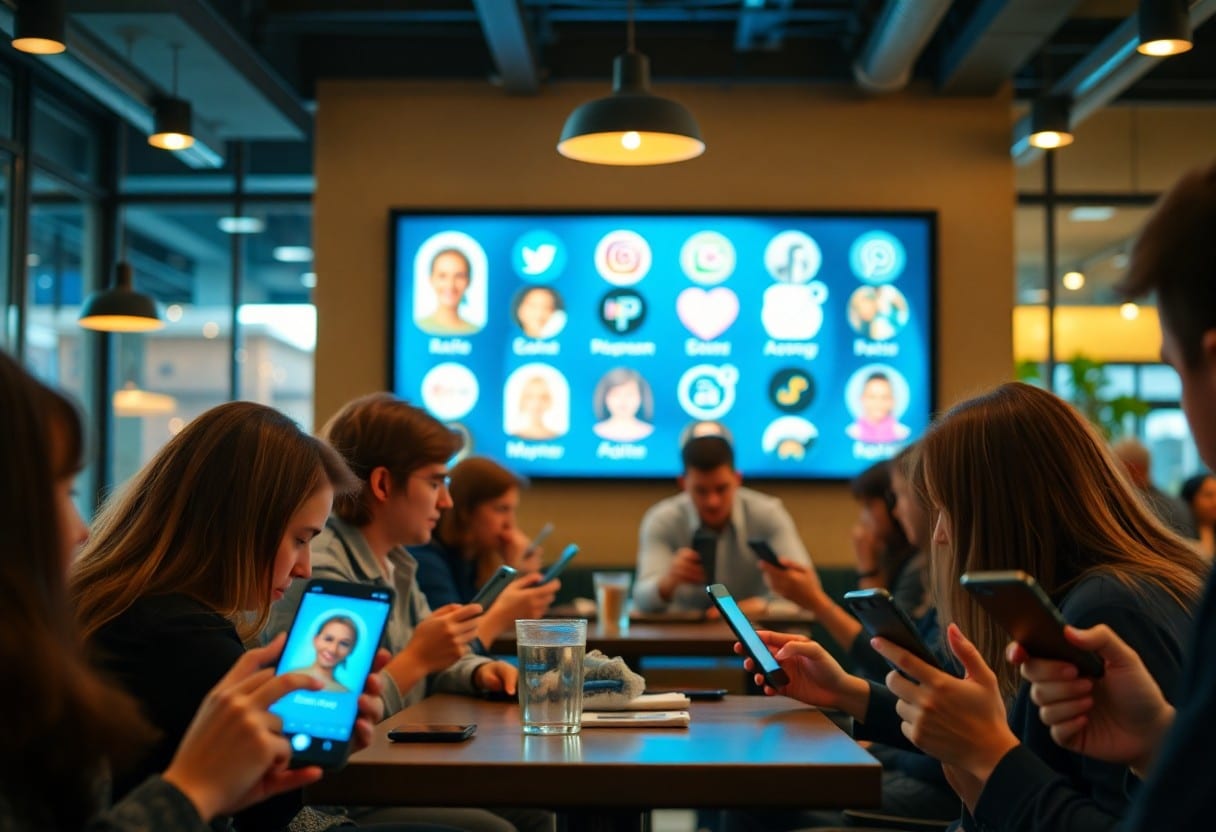
Many users of dating apps might not realize how these platforms are reshaping their social media interactions. Recent research from Meta highlights significant changes in user behavior online, revealing that your engagement patterns on social networks are likely influenced by your experiences in the dating scene. As you navigate the modern dating landscape, understanding these shifts can help you better manage your online presence and relationships, both romantic and platonic.
Key Takeaways:
- Dating apps have increased the frequency of social media interactions.
- Users often integrate dating profiles with social media to enhance credibility.
- Social media platforms serve as a space for users to promote dating app experiences.
- User engagement on social media is influenced by dating success stories shared online.
- Data shows a correlation between dating app use and the rise of online relationship discussions.

Overview of Dating Apps
Dating apps have transformed how you connect with potential partners, offering a convenient platform to explore romantic possibilities. Initially popularized by desktop websites, these apps have surged in mobile usage, allowing you to interact with others from the comfort of your smartphone. With features like swiping, matching algorithms, and integrated messaging, dating apps cater to diverse preferences and lifestyles, making it simpler to find meaningful connections.
Popular Dating Platforms
Within dating apps, several platforms dominate your choices. Tinder leads the pack with its swipe feature, appealing to younger users seeking casual encounters. Bumble emphasizes female empowerment by allowing women to initiate conversations. Hinge markets itself as a relationship-focused app, promoting deeper connections through engaging prompts. Each platform is uniquely designed, reflecting different dating cultures and user preferences.
User Demographics
User demographics reveal that dating apps attract a wide range of individuals. A study indicated that about 30% of people between ages 18 and 29 have used a dating app, with usage steadily increasing among older age groups. Gender distribution shows a slight male dominance on most platforms but varies by app. Understanding these demographics aids in tailoring your approach when engaging through these mediums.
Specific statistics support these trends, with Pew Research noting that around 48% of LGBTQIA+ adults use dating apps compared to 34% of heterosexual adults. Age variations also paint a stark picture: while younger users prefer platforms like Tinder for casual dating, older adults tend to gravitate toward apps like Match.com, which cater to serious relationships. This diversity underscores the varied motivations and preferences that shape the dating landscape, allowing you to navigate your options with greater insight.
Social Media Behavior Changes
Your engagement with social media has likely evolved dramatically due to the rise of dating apps. These platforms not only influence how you connect with potential partners but also shape the way you interact online, affecting your content consumption, sharing habits, and overall digital social life.
Increased Online Interaction
Shift in Content Sharing
The introduction of dating apps has led you to curate your social media presence differently, emphasizing content that highlights relationships, personal achievements, and lifestyle choices. You may now post more images and stories reflecting your dating life, which in turn sparks more engagement from your followers.
This shift in content sharing often includes more intimate glimpses into your life and relationships. You might find yourself posting stories about memorable dates, sharing experiences related to love and dating, or even asking for advice from your network. Data shows that posts featuring romantic experiences receive higher engagement, as followers connect emotionally, leading to an increase in support and interaction within your social circle.
Meta’s Research Methodology
Meta’s research utilized a mixed-method approach, combining quantitative surveys with qualitative interviews to assess the behavioral shifts in social media engagement among dating app users. This dual methodology provided a comprehensive understanding of user interactions, preferences, and emotional responses to both dating and social media platforms.
Data Collection Techniques
Data collection involved online surveys distributed to a diverse user base, alongside in-depth interviews with selected participants. The surveys quantified trends and metrics, while interviews offered rich, contextual insights into user experiences and perceptions regarding their social media behavior post-dating app usage.
Participant Profile
The research engaged a varied participant group, including individuals aged 18 to 35 who actively use dating apps and social media. This demographic is particularly relevant, as it encompasses key users most impacted by the intersection of these platforms, allowing for a nuanced exploration of their behaviors and attitudes.
Participants were selected based on their active engagement with dating apps like Tinder, Bumble, and Hinge, as well as their frequent use of social media platforms such as Instagram and Facebook. The sample comprised approximately 500 individuals, ensuring representation across different backgrounds, sexual orientations, and geographic locations. This diversity enabled the research team to capture a wide array of perspectives and experiences, providing richer, more relevant insights into how dating apps affect social media interaction.
Key Findings
Meta’s research uncovers significant shifts in social media behavior correlated with increased usage of dating apps. Users demonstrate heightened engagement on platforms like Facebook and Instagram, often sharing more personal experiences and connecting with wider social circles. The data indicates a 25% rise in content related to dating and relationships, emphasizing the intertwining of dating app experiences with social media interactions. These patterns suggest that online dating is not just a separate realm but rather an integral part of your social media narrative.
Behavioral Trends Identified
Several key behavioral trends have emerged from the research. Your online persona evolves as dating apps influence your social media interactions, often leading to more curated posts that reflect your romantic interests and experiences. Notably, there’s a marked increase in sharing dating-related content, from tips and stories to relationship milestones, fostering a community of support and advice among users. Additionally, the frequency of online interactions tends to surge, as users seek validation and connection through likes and comments on their dating journeys.
Implications for Social Media Usage
The implications for your social media usage are profound. As dating apps reshape your interactions, you may find yourself more invested in how you present yourself online. Authenticity becomes key; users gravitate towards real-life experiences rather than curated perfection, impacting engagement rates and community building. Brands and influencers are responding by creating content that aligns with this trend, focusing on relatability and shared experiences in dating, which can enhance your social connections and advertising efficacy.
Your social media choices directly reflect the changes brought on by dating apps, fostering a sense of community around shared experiences. This shift emphasizes genuine engagement over superficial interactions, aligning more with users’ desires for authenticity. Consequently, brands tapping into these emotions see a rise in relatability and trust, marking a shift in marketing strategies towards more heartfelt, narrative-driven content that resonates with you and your peers. As dating app dynamics evolve, maintaining a genuine connection within your social media landscape will remain vital for meaningful interactions and engagement.

Psychological Effects
Research indicates that dating apps significantly influence users’ psychological states, shaping how they perceive themselves and interact with others. The instant nature of swiping and matching cultivates a cycle of validation and disappointment, ultimately impacting your mental well-being. Understanding these effects can inform your approach to both dating apps and social media interactions.
Impact on Self-Esteem
Self-esteem often fluctuates for users of dating apps as they navigate the landscape of likes and matches. Positive reinforcement from matches can temporarily boost confidence, but rejections and a lack of engagement can lead to feelings of inadequacy. This rollercoaster can cause you to question your self-worth based on app interactions rather than intrinsic qualities.
Influence on Relationship Dynamics
The omnipresence of dating apps reshapes relationship dynamics by encouraging rapid assessments of compatibility. This can foster a mindset where relationships are seen as disposable, impacted by the ease of finding alternative connections. As a result, meaningful conversations may be sacrificed, leading to shallow interactions and diminished commitment over time.
With the swipe-and-go culture that dating apps promote, you may find that relationships develop more quickly or fizzle out just as fast. Traditional dating norms are often bypassed, leading to a greater emphasis on surface-level attraction over emotional connections. This shift can cause anxiety and confusion in your romantic pursuits, as the constant availability of new matches might discourage you from investing time in nurturing existing relationships. As relationships become increasingly transactional, reflecting on the long-term implications of this dynamic becomes vital in maintaining healthy connections.
Future of Dating Apps and Social Media
The evolving relationship between dating apps and social media platforms suggests that their convergence will continue to shape digital interactions. As users increasingly integrate these platforms, expect features that enhance matchmaking through augmented reality and AI-driven recommendations to become mainstream. Innovations will likely focus on creating more authentic connections, blending social media engagement with dating experiences in seamless ways.
Predictions for Trends
Data privacy concerns will drive users toward platforms that prioritize security in their matchmaking processes. The rise of niche dating apps catering to specific communities or interests will highlight the desire for tailored experiences. Social features, such as group dating or shared interests, will emerge, enhancing the way social media shapes romantic connections.
Potential Challenges
As dating and social media continue to merge, users may face several challenges. Miscommunication and the potential for superficial connections can lead to disillusionment in both dating and social experiences. The oversaturation of options might also cause decision fatigue, making it difficult for users to engage meaningfully.
Moreover, the blurred lines between online interactions and real-life relationships can create confusion around boundaries. Users might struggle with filtering authentic connections from casual encounters, which can undermine the purpose of both dating apps and social networking. Additionally, as algorithms dictate your matches or friends, issues around transparency may arise, making it imperative to understand how your data and preferences influence your online dating experiences. Without a balance between innovation and addressing these challenges, users might find themselves navigating a minefield of emotion and anxiety in their pursuit of connection.
Final Words
The findings from Meta’s research illustrate how dating apps have reshaped your social media behavior. As you navigate these platforms, you may notice alterations in how you engage with content, perceive relationships, and express yourself online. The integration of dating features within social media not only influences your interactions but also the broader expectations surrounding intimacy and connections. Understanding this impact allows you to approach your online presence with greater awareness and purpose.
FAQ
Q: How do dating apps influence social media interactions?
A: Dating apps can enhance social media interactions by encouraging users to share their dating experiences, leading to increased engagement and conversation around relationships online. Users often post about their app experiences, creating a feedback loop between dating and social media platforms.
Q: What findings did Meta’s research reveal about dating app users and social behavior?
A: Meta’s research indicated that users of dating apps tend to have a more active social media presence, often posting frequently about their personal lives and relationships, which can shape how they communicate and connect with others online.
Q: Are there any negative impacts of dating apps on social media behavior?
A: Yes, the research suggests that some users may experience anxiety or pressure regarding their dating lives, which can lead to oversharing or superficial interactions on social media. This may affect their overall online engagement and wellbeing.
Q: How do dating apps affect the way people present themselves on social media?
A: Users may curate their social media profiles to reflect their dating persona, often highlighting attractive images or relationship-oriented content, which can lead to an unrealistic portrayal of their lives and relationships.
Q: What role do dating apps play in shaping online community dynamics?
A: Dating apps contribute to the formation of niche communities on social media, where users share tips, experiences, and support related to dating, fostering connections based around shared interests and relationship goals.