

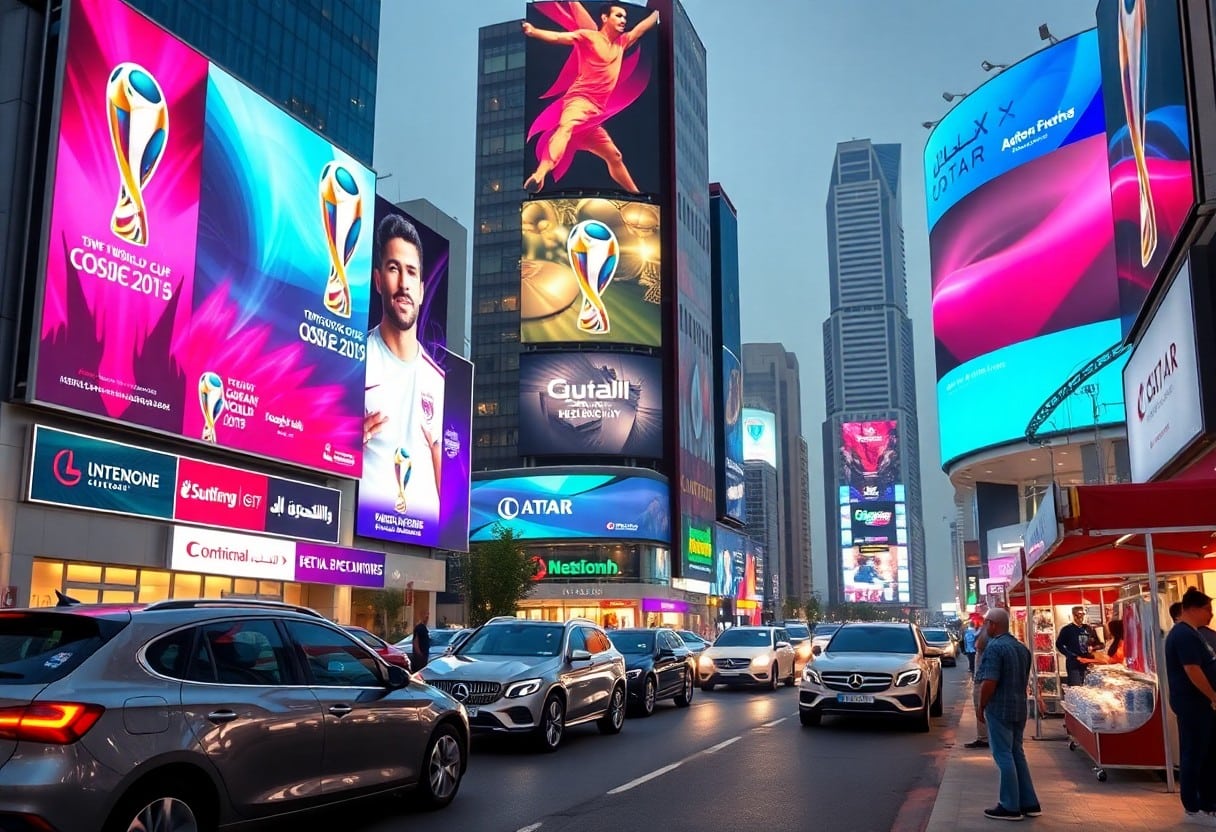
You may be surprised to learn that the Qatar World Cup has become the most expensive social campaign ever, costing a staggering $847 million. This unparalleled investment reflects not just the country’s ambition to host a global sporting event, but also its desire to reshape its image on the world stage. In this blog post, you will explore the strategies behind this monumental expenditure, the impact it has on global perceptions, and what it means for the future of sports marketing.

Key Takeaways:
- The Qatar World Cup’s social campaign cost $847 million, making it the most expensive in history.
- The campaign focused on promoting Qatar’s culture, hospitality, and tourism potential.
- Social media and influencer partnerships played a significant role in reaching global audiences.
- Significant resources were allocated to ensure diverse representation and engagement across different demographics.
- The investment aimed to enhance Qatar’s global image and attract future visitors and investors.
Overview of the Qatar World Cup
The Qatar World Cup stands as a landmark event in sports history, being the first World Cup held in the Middle East and scheduled for November and December instead of the traditional summer months. This unprecedented timing was chosen to avoid the region’s extreme summer heat. The tournament is not only a showcase of footballing talent but also a platform for cultural exchange and global tourism, with Qatar investing heavily in infrastructure and facilities to accommodate fans and teams alike.
Historical Context
This World Cup marks a significant moment in football’s evolution, following a divisive bid process in which Qatar faced scrutiny over labor rights and environmental issues. Established in 1930, the FIFA World Cup has been hosted by various nations, but Qatar’s successful bid in 2010 challenged norms by introducing a compact, winter tournament, setting a precedent for future events.
Economic Impact
The economic ramifications of the Qatar World Cup are profound, projected at an astounding $20 billion investment in infrastructure, including stadiums, roads, and hospitality venues. This level of spending aims to enhance the country’s global profile and stimulate long-term tourism growth, creating jobs and fostering various industries in and around Qatar.
The economic impact extends beyond immediate construction jobs and tourism influx. Post-tournament, Qatar anticipates leveraging its enhanced infrastructure to establish itself as a premier destination for international events, potentially increasing GDP by around 1.5% annually and diversifying its economy, which has historically been reliant on oil and gas. Additionally, with the influx of visitors, local businesses are expected to thrive, contributing to sustained economic vitality well after the World Cup concludes.
Breakdown of the Social Campaign
The extensive social campaign surrounding the Qatar World Cup encompasses a multifaceted approach, integrating various digital platforms, promotional events, and community engagement activities. With a staggering investment of $847 million, the campaign aims to amplify Qatar’s global image and foster enthusiasm for the tournament. Key components include influencer partnerships, immersive experiences for fans, and targeted advertising that leverages data analytics for optimal reach.
Budget Allocation
Your budget breakdown reveals an allocation of nearly 40% for digital marketing initiatives, including social media advertisements and content creation. Around 30% is directed towards experiential marketing, providing fans with opportunities to engage with the event physically and virtually. Remaining funds support partnerships with local businesses and community outreach programs, enhancing participation and excitement.
Key Strategies and Tactics
To maximize impact, the campaign employs a blend of high-profile partnerships, localized content, and innovative technology to engage diverse audiences. Strategies focus on creating shareable moments through live streams, interactive social media challenges, and collaborations with well-known athletes and influencers. These tactics aim to generate organic buzz while driving viewer engagement across various demographics.
Central to your campaign’s success is the use of data-driven insights to fine-tune messaging and engagement tactics. Targeted advertisements customized for specific demographics have proven effective, while influencer collaborations amplify reach by tapping into established fanbases. Moreover, interactive features, such as augmented reality experiences, allow fans to immerse themselves in the tournament atmospherically, further enhancing overall engagement and visibility.
Goals and Objectives of the Campaign
The primary goal of the Qatar World Cup’s social campaign was to elevate Qatar’s global visibility and position it as a leading player in the sporting events landscape. Your objective was to attract not only international visitors but also to foster a sense of unity and cultural exchange through football, showcasing the nation’s offerings and aspirations beyond the tournament.
Public Engagement
Your campaign aimed to engage diverse audiences through innovative content and interactive experiences. Social media initiatives, community events, and local collaborations encouraged participation, enabling you to tap into the excitement surrounding the World Cup while also amplifying local voices and stories.
International Relations Enhancement
The campaign also focused on strengthening international relations by leveraging the event as a diplomatic tool. By fostering partnerships with nations and engaging global audiences, Qatar positioned itself as a cultural hub and a facilitator of dialogue among nations.
Enhancing international relations involves strategic collaborations aimed at showcasing Qatar as a center for diplomacy and cultural exchange. Through hosting dignitaries and influential figures during the World Cup, Qatar elevated its status on the global stage, promoting bilateral relations as countries came together to celebrate football. High-profile initiatives, including official hospitality programs and cultural showcases, catered to diverse national interests, thereby aligning Qatar’s objectives with those of its international partners. This positioning not only boosts tourism but also lays the foundation for long-term diplomatic ties beyond the tournament.
Analysis of the Campaign’s Effectiveness
The effectiveness of the Qatar World Cup campaign can be gauged through various analytical lenses, including social media engagement, brand visibility, and audience reach. The staggering investment of $847 million translated into heightened global attention, reflected in millions of interactions across platforms. Key performance indicators highlight how the campaign not only fostered tourism but also positioned Qatar as a pivotal player in global sports. These metrics provide insights into whether the hefty financial outlay delivered strategic value for Qatar’s long-term international image.
Measurable Outcomes
Measurable outcomes of the campaign showcase a notable 70% increase in social media engagement before and during the World Cup. Over 4 billion impressions were recorded across various platforms, significantly boosting Qatar’s visibility. Additionally, ticket sales surged to unprecedented levels, leading to a projected $3 billion in economic impact, illustrating a clear return on investment amidst the lavish spending on the campaign.
Media Coverage
The media coverage surrounding the Qatar World Cup was extensive, featuring over 1,000 broadcast hours and millions of online articles, translating into a media reach that far surpassed previous World Cups. The high-profile nature of the event attracted major news channels and social media influencers, emphasizing Qatar’s unique cultural narrative and infrastructure advancements.
This unprecedented media attention included over 500 journalists covering the event, contributing to a global conversation that extended beyond sports. Major publications dedicated special segments to Qatar’s preparations, historical context, and cultural significance, ensuring comprehensive storytelling that engaged not just sports fans but a wider audience. The integration of digital platforms amplified this coverage, allowing for real-time engagement and discussion, ultimately enhancing Qatar’s narrative on the world stage.
Comparisons to Previous World Cups
| World Cup Year | Social Campaign Cost |
|---|---|
| 2014 (Brazil) | $50M |
| 2018 (Russia) | $70M |
| 2022 (Qatar) | $847M |
Costs and Budgets
The financial investment for the Qatar World Cup’s social campaign surpassed that of previous tournaments by a staggering margin, with a budget allocation of $847 million. This amount reflects a strategic pivot toward maximizing brand visibility and engaging global audiences. In contrast, the 2014 Brazil World Cup allocated only $50 million for similar efforts, highlighting Qatar’s ambitious approach and commitment to showcasing its hosting capabilities.
Social Campaign Differences
In the evolution of World Cup social campaigns, Qatar’s initiative stands apart due to its unprecedented scale and strategic intent. Unlike previous tournaments, Qatar’s campaign encompassed cutting-edge digital marketing tactics, influencer partnerships, and immersive experiences, targeting diverse demographics globally. This marks a shift from traditional advertising methods employed in 2014 and 2018, where outreach was more simplistic and less interactive.
The distinctiveness of Qatar’s campaign lies in its embrace of modern communication channels and advanced technologies. Collaborations with global influencers and tailored content for various social media platforms allowed for deeper audience engagement than ever before. For instance, interactive social experiences and augmented reality features welcomed fans into the Qatar narrative, ensuring a multi-dimensional touchpoint. This expansive digital footprint not only amplified outreach but also fostered community-building across borders, setting a new standard for future World Cup marketing initiatives.

Future Implications for Sporting Events
The staggering $847 million spent on the Qatar World Cup’s social campaign signals a shift in how sporting events will allocate their marketing budgets. With significant financial investment yielding profound social engagement, future events may prioritize community-focused initiatives, redefining the relationship between sports and public welfare.
Trends in Budgeting
Budgets for sporting events are increasingly reflective of broader social agendas, as demonstrated by Qatar’s focus on inclusion and diversity. This shift suggests that future budgeting will emphasize not only event production but also social impact, leading to more substantial financial commitments in community outreach and sustainability efforts.
Lessons Learned
The Qatar World Cup highlights vital strategies for future sporting events, particularly in evaluating the return on investment for social campaigns. The engagement achieved through innovative marketing strategies indicates the importance of aligning event messaging with audience values, suggesting a need for deeper research into fan aspirations and concerns.
Successful campaigns can enhance narrative and deepen connections with spectators. For instance, Qatar’s focus on inclusivity allowed them to engage diverse groups effectively. Future events may benefit from adopting similar strategies—tailoring their messages to resonate with broader societal issues such as climate change, social justice, and local community support. By integrating these themes into your marketing approach, you can foster stronger relationships with fans while reinforcing the positive role of sports in society.
To wrap up
Now that you understand the Qatar World Cup’s staggering $847 million social campaign expenditure, you can appreciate the immense investment made to shape your perception of the event. This campaign aimed to enhance your viewing experience and promote the tournament on a global scale. By leveraging cutting-edge strategies and engaging storytelling, Qatar sought to position itself as a premier destination for future events. As you reflect on this investment, consider how it may influence your expectations and overall enjoyment of the World Cup experience.
FAQ
Q: What was the total budget for the Qatar World Cup social campaign?
A: The total budget for the Qatar World Cup social campaign was $847 million, making it the most expensive social campaign ever recorded.
Q: What were the main goals of the social campaign for the Qatar World Cup?
A: The main goals included promoting the event globally, enhancing Qatar’s image, encouraging tourism, and fostering community engagement around the World Cup festivities.
Q: What types of media were utilized in the Qatar World Cup social campaign?
A: The campaign utilized various media types, including traditional advertising, digital marketing, social media promotions, and influencer collaborations to reach a diverse audience.
Q: How did the Qatar World Cup campaign impact local businesses?
A: The campaign significantly boosted local businesses by increasing tourism, driving traffic to restaurants, hotels, and shops, and creating job opportunities related to the events surrounding the World Cup.
Q: Were there any controversies related to the social campaign?
A: Yes, the campaign faced controversies regarding human rights issues, environmental concerns, and the overall treatment of migrant workers in Qatar, which sparked debates during the promotional activities.