

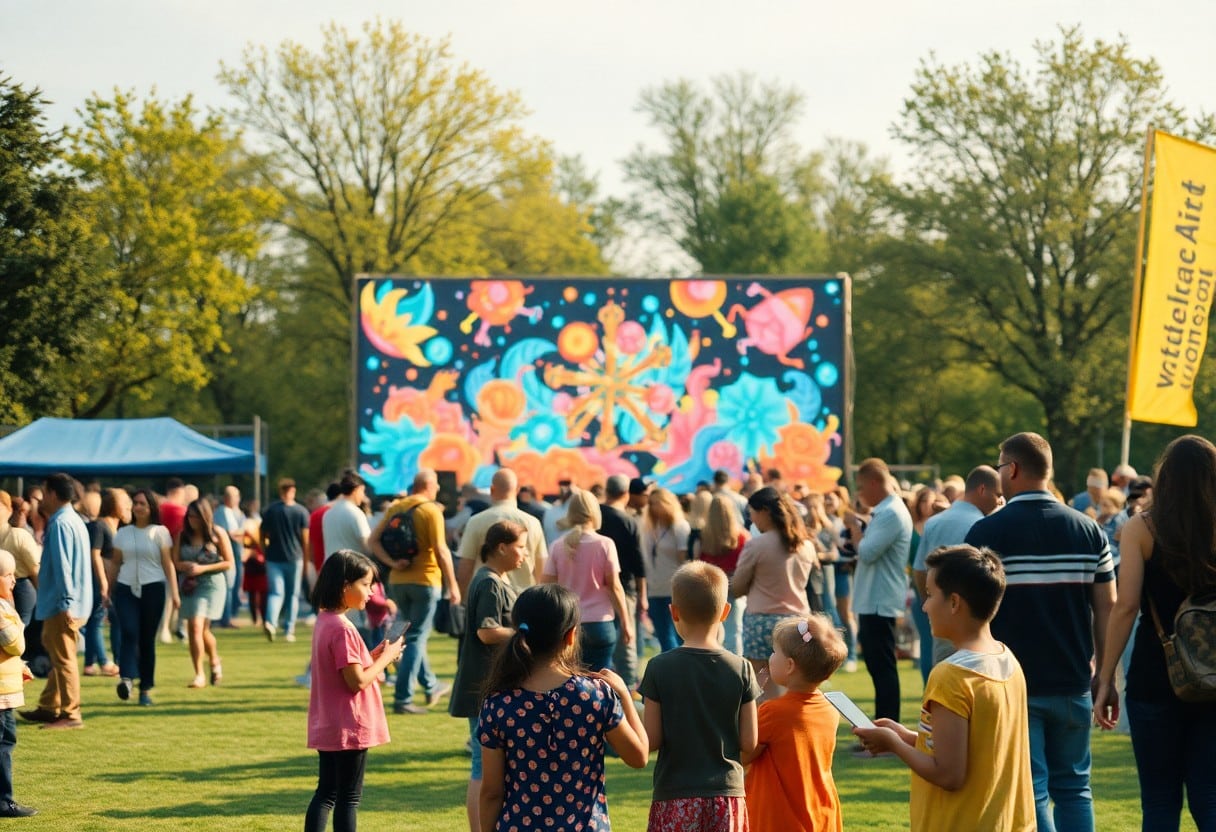
Just as visual storytelling captivates attention, kinetic illustrations can breathe new life into your dormant social audience. By incorporating dynamic visuals that engage the senses, you can foster interaction and create a stronger emotional connection with your followers. These animated graphics not only enhance your content but also encourage sharing, leading to increased visibility and engagement. Explore how leveraging kinetic illustrations can transform your approach to audience growth and revitalization in the digital landscape.
Key Takeaways:
- Kinetic illustrations can capture attention by providing dynamic visual content that breaks monotony.
- These illustrations enhance storytelling by simplifying complex ideas through movement and visual engagement.
- Utilizing kinetic elements can foster stronger emotional connections, making content more relatable and memorable.
- Incorporating movement in designs can stimulate social media interaction and sharing, increasing audience reach.
- Effective use of kinetic illustrations can revitalize branding efforts and attract previously disengaged demographics.
The Importance of Kinetic Illustrations
Kinetic illustrations serve as a powerful tool in modern digital storytelling, transforming static messages into engaging, multifaceted experiences. By incorporating movement and interactivity, these illustrations not only capture your audience’s attention but also enhance understanding and retention of information. This dynamic form of art transcends traditional boundaries, making complex ideas accessible while energizing your content strategy.
Definition and Characteristics
Kinetic illustrations are animated visuals that convey information through movement, combining elements of illustration with animation. Characteristics include fluid motion, vibrant colors, and interactive features that guide viewer engagement. This blend creates an immersive experience, making ideas more relatable and impactful, while also appealing to the modern audience’s shortened attention span.
Historical Context and Usage
The roots of kinetic illustrations can be traced back to early animation techniques in the 19th century, which laid the groundwork for today’s digital motion graphics. As technology advanced, these illustrations found their niche in advertising, education, and entertainment, evolving from simple flipbooks to sophisticated animations used in social media campaigns and interactive websites. Notably, platforms like Instagram and TikTok heavily utilize kinetic illustrations to enhance user engagement, showcasing their relevance in contemporary digital interactions.
Throughout the 20th century, animation gained momentum, moving from traditional hand-drawn techniques to computer-generated imagery (CGI). Noteworthy examples include the use of kinetic typography in film trailers and online advertisements, where strategic movement amplifies the message. Today, brands that leverage kinetic illustrations often see increased social media interactions; a study indicated that videos containing kinetic elements receive 1200% more shares than static images. This historical evolution highlights not just a trend, but an crucial shift in how audiences consume content, ultimately shaping strategies across various industries.
Analyzing Audience Engagement
Understanding how your audience engages with content is important for revitalizing interaction. Analyze metrics such as likes, shares, comments, and watch time to gauge their interests. These data points will help you tailor kinetic illustrations to match their preferences, ensuring that your content resonates with what they find engaging. Identifying trends in these metrics will provide insights on what elements of your illustrations generate the most interaction, guiding future content strategies.
Metrics of Social Interaction
Metrics of social interaction serve as vital indicators of audience engagement. You should track likes, shares, comments, and views closely to interpret how your kinetic illustrations are received. For instance, a slight uptick in shares compared to previous posts may signal that your audience finds the new visual style compelling. Analyzing these figures helps refine your approach, allowing for more targeted content that genuinely captures your audience’s attention.
Behavioral Patterns of Dormant Audiences
Examining the behavioral patterns of dormant audiences reveals valuable insights. Often, these individuals once engaged actively but have since lost interest due to repetitive content or a lack of innovation. By investigating their previous interactions, you can identify content types that once motivated them. Shifting to dynamic elements like kinetic illustrations can bring them back, reigniting their interest and prompting them to re-engage.
Dormant audiences often exhibit specific behavioral patterns that can inform your strategy. Many have previously interacted with your brand but may feel unchallenged or under-stimulated. They may have followed your page, only to disappear due to monotonous posts. Research shows that 70% of audiences crave fresh content, which is where kinetic illustrations can play a role. Analyzing their past interactions, such as which posts received the most engagement or which formats led to conversions, allows you to cater directly to their preferences. Transitioning back to attract this untapped potential hinges on the ability to showcase novelty and creativity through kinetic designs that compel them to act.

Kinetic Illustrations in Social Media
Utilizing kinetic illustrations on social media platforms offers an innovative approach to engage users more effectively. Their dynamic nature not only grabs attention but also encourages sharing, thereby expanding your reach. As algorithms increasingly favor engaging content, adopting this visual trend can reinvigorate a stagnant audience, making your posts more compelling and interactive.
Platforms and Their Dynamics
Each social media platform has unique dynamics that influence how kinetic illustrations perform. For example, Instagram thrives on visual content, making kinetic illustrations particularly effective. Meanwhile, Twitter’s fast-paced environment requires animations that quickly convey messages, while Facebook allows for longer engagement through rich media. Understanding these nuances can help you tailor your approach based on platform characteristics.
Case Studies of Effective Use
Analyzing successful case studies reveals how kinetic illustrations can drive user engagement. For instance, a campaign by a popular beverage brand utilized animated visuals, resulting in a 45% increase in shares and a 30% boost in comments. Another tech company integrated kinetic elements into their product launch, attracting over 100,000 views within 24 hours. These examples illustrate the tangible benefits of kinetic illustrations in real-world scenarios.
- A beverage brand saw a 45% increase in shares and 30% more comments by using kinetic illustrations in their social media campaign.
- A tech company’s product launch with kinetic visuals attracted over 100,000 views within 24 hours.
- An educational platform noted a 50% rise in user retention through engaging animated infographics.
- A fashion retailer experienced a 60% uplift in click-through rates by incorporating motion graphics into their ads.
- A non-profit organization increased donations by 40% after using kinetic illustrations to convey their mission on social media.
Diving deeper into these case studies unveils insightful metrics that showcase the potential of kinetic illustrations. The beverage brand not only increased shares and comments but also enhanced brand awareness, showing that engagement translates into memorability. The tech company’s ability to garner 100,000 views exemplifies the viral capacity of compelling animations. Similarly, the educational platform’s focus on retention through animated infographics demonstrates that kinetic content can keep audiences coming back. Each case highlights that increased engagement often results in higher conversion rates and overall audience growth, proving the effectiveness of kinetic illustrations in various contexts.

Strategies for Reinvigoration
Implementing effective strategies to revitalize your social audience hinges on a blend of creativity and analytics. Focus on refreshing your content strategy by testing various styles of kinetic illustrations, ranging from animated infographics to engaging storyboards. Encourage user-generated content that leverages kinetic techniques, fostering community involvement. Combine these illustrations with interactive elements, such as polls or challenges, to stimulate conversations and create a more dynamic presence. By diversifying your approach, you not only intrigue existing followers but also attract new audiences.
Creative Approaches to Content
When plunging into kinetic illustrations, adopt imaginative storytelling techniques that resonate with your audience. Use humor, relatable scenarios, or trending topics to evoke emotions and connect on a personal level. Incorporate vibrant colors and motion to captivate attention quickly. Additionally, consider the power of collaborations with influencers or artists who excel in kinetic design, bringing fresh perspectives that enhance your brand identity.
Best Practices for Implementation
Your implementation of kinetic illustrations should be strategic and consistent across platforms. Regularly analyze engagement metrics to refine your approach, ensuring content aligns with audience preferences. Balance promotional material with value-driven content that entertains or informs, encouraging deeper interactions. Schedule your posts wisely to maximize visibility, taking into account peak times for audience engagement.
Successful implementation of best practices necessitates an ongoing evaluation of your audience’s response to kinetic illustrations. Establish a feedback loop where you gather insights through metrics and direct comments to refine your strategies. As you continuously adapt, focus on maintaining a cohesive brand voice while experimenting with various illustrative styles. Keeping a pulse on industry trends and user preferences will empower you to maintain engagement and relevance in your social media presence.
Challenges and Considerations
Incorporating kinetic illustrations into your social media strategy brings its own set of challenges. Balancing creativity with clarity is crucial; too much movement can distract rather than engage. Additionally, these visuals require resources and skills that may not be readily available, meaning you’ll need to invest time and possibly money into production to ensure quality execution.
Potential Pitfalls
Overuse of kinetic illustrations can lead to viewer fatigue, causing your audience to disengage. If the visuals do not align with your brand’s message, they can create confusion or shift perception negatively. It’s important to find a purposeful rhythm and strict guidelines to avoid overwhelming your followers with excessive animations.
Addressing Audience Diversity
Diverse audiences require tailored content that resonates on various levels. It’s vital to consider cultural backgrounds, preferences, and accessibility when designing kinetic illustrations. Engaging with different demographic groups through specific themes or styles can amplify your outreach and ensure inclusivity in your messaging.
To truly connect with your diverse audience, conduct thorough research into the values and interests of your social media followers. Create content that reflects their experiences, utilizing culturally relevant symbols and narratives in your kinetic illustrations. For instance, a study from Pew Research revealed that 71% of younger consumers prefer brands that reflect their values, showcasing the importance of alignment. By actively seeking feedback and including diverse perspectives in your creative process, you can produce illustrations that not only engage but also build a sense of community among your audience members.
Future Trends in Kinetic Illustrations
As the digital landscape evolves, the future of kinetic illustrations promises exciting advancements that will reshape audience interactions. Increased accessibility of animation software will enable more creators to experiment with dynamic visuals, allowing brands to integrate eye-catching elements seamlessly into their marketing strategies.
Technological Innovations
The rise of augmented reality (AR) and virtual reality (VR) technologies will further enhance kinetic illustrations, providing immersive experiences that engage audiences on a deeper level. As these technologies become more mainstream, expect animation to transcend traditional platforms, allowing for interactive storytelling that captivates users in new ways.
Predictions for Audience Engagement
Anticipated trends indicate that audience engagement will become significantly more interactive, driven by innovative kinetic illustrations. As consumers increasingly seek personalized experiences, brands that leverage dynamic visuals tailored to their audiences will likely see enhanced interactions and loyalty, ultimately fostering a more vibrant social community around their content.
Predictions suggest that by integrating user-generated content with kinetic illustrations, brands can create a feedback loop that enhances audience involvement. For example, campaigns inviting users to submit their own animations may not only increase engagement but also cultivate a sense of ownership within the community. By allowing audiences to participate in the creation process, brands can establish lasting connections, driving future conversations and interactions around their illustrated narratives. This collaborative approach is key to sustaining momentum and excitement within your social channels, ensuring your audience remains active and invested.
Conclusion
Following this, you should consider that kinetic illustrations can breathe new life into your dormant social audience by capturing attention and evoking emotional responses. By leveraging movement and visual storytelling, you can create engaging content that resonates with your audience, encourages interaction, and ultimately fosters community. As you incorporate these dynamic elements into your social media strategy, you’ll likely find a revitalized connection with your audience, inviting them to share, comment, and participate like never before.
FAQ
Q: What are kinetic illustrations?
A: Kinetic illustrations are dynamic visual representations that incorporate movement or animation. They can be used to capture attention and convey messages in an engaging manner, often utilized in digital media, advertising, and social platforms.
Q: How can kinetic illustrations help revive interest in a stagnant social audience?
A: By introducing movement and animation, kinetic illustrations can attract viewers’ attention more effectively than static images. They create a sense of excitement and engagement, prompting users to interact with content, thereby revitalizing an otherwise dormant audience.
Q: What advantages do kinetic illustrations have over traditional imagery?
A: Kinetic illustrations can convey complex ideas more clearly through visual storytelling. Their animated nature can foster an emotional connection and make content more shareable, leading to increased visibility and interaction in social spaces.
Q: Are there specific platforms where kinetic illustrations perform better?
A: Kinetic illustrations tend to perform exceptionally well on platforms like Instagram, TikTok, and Twitter, where visual content thrives. These platforms prioritize engaging content, making dynamic visuals more likely to capture user interest and drive engagement.
Q: How can brands effectively implement kinetic illustrations in their strategy?
A: Brands should align kinetic illustrations with their messaging and target audience preferences. Implementing them in social media campaigns, website animations, or email marketing can enhance brand storytelling and encourage audience interaction, leading to renewed interest.