

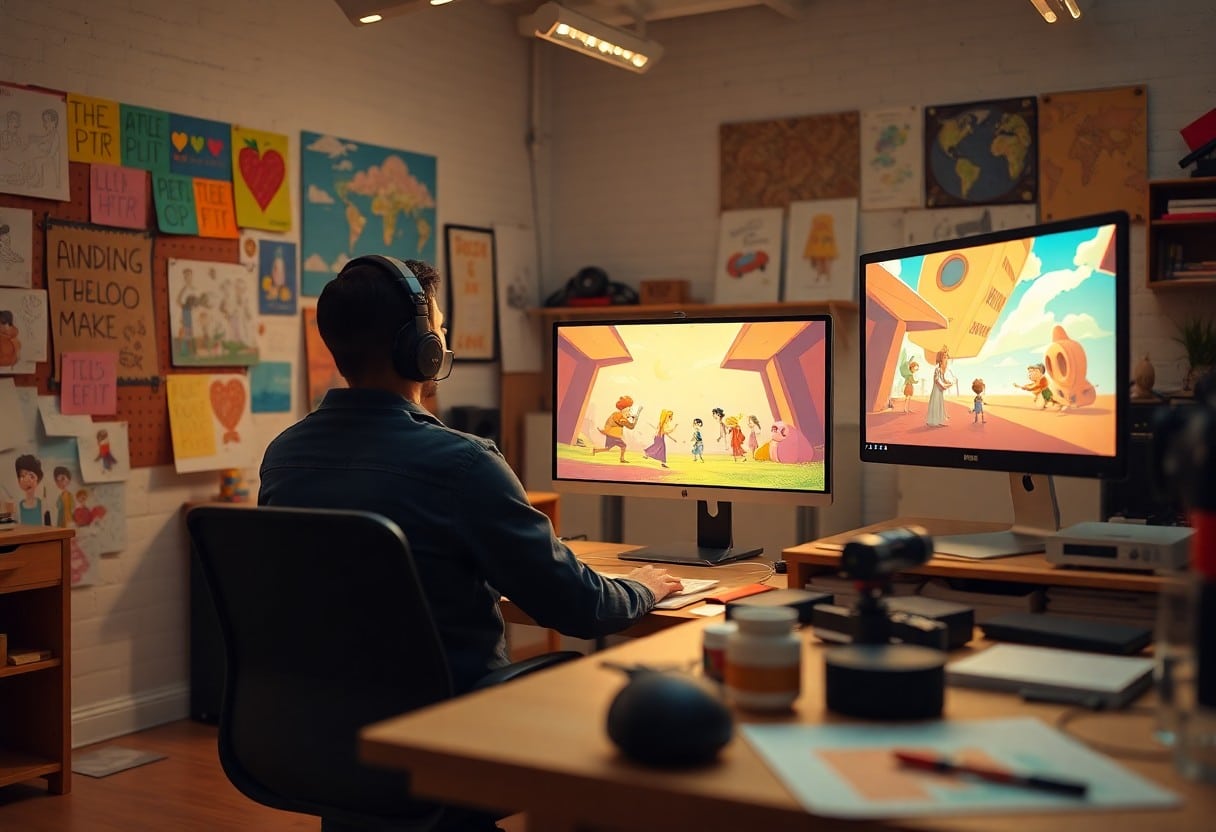
Many marketers and creators are discovering the powerful role of synesthetic design in enhancing emotional resonance within animated campaigns. By leveraging the interplay of sensory elements, you can create a multi-dimensional experience that captivates your audience and heightens emotional engagement. This innovative approach not only enriches storytelling but also deepens the connection your viewers feel with the content, leading to more memorable and impactful campaigns. Understanding how to effectively integrate synesthesia into your designs can elevate your animation projects and evoke stronger emotional responses.
Key Takeaways:
- Synesthetic design engages multiple senses, enhancing viewer experience and emotional connection.
- Color and sound combinations can evoke specific feelings, reinforcing the intended message of the campaign.
- Utilizing synesthetic elements can create memorable and immersive narratives that resonate with audiences.
- Effective synesthetic design fosters a deeper understanding of the content, aiding in message retention.
- Integrating synesthetic principles can differentiate a brand, making its campaigns stand out in a crowded market.
Understanding Synesthesia
In design, understanding how synesthesia functions can profoundly enhance your approach to creating animated campaigns. Synesthesia is a neurological phenomenon where stimulation of one sensory pathway leads to involuntary experiences in another, enabling a rich interplay between senses. By tapping into this unique sensory experience, your designs can evoke stronger emotional connections and memorable interactions with your audience.
Definition and Types of Synesthesia
Synesthesia can manifest in various forms, creating fascinating sensory experiences. Here are some of the most common types:
- Grapheme-color synesthesia: letters or numbers are perceived as inherently colored
- Sound-color synesthesia: sounds trigger the visualization of colors
- Taste-shape synesthesia: specific tastes are linked to particular shapes
- Number-form synesthesia: numbers are visualized in spatial arrangements
- Lexical-gustatory synesthesia: words evoke specific tastes in the mouth
Assume that incorporating elements of these types in your design enhances viewer engagement and emotional resonance.
| Type of Synesthesia | Description |
| Grapheme-color | Association of colors with numbers or letters |
| Sound-color | Visualizing colors when hearing sounds |
| Taste-shape | Experiencing tastes related to shapes |
| Number-form | Spatial representation of numbers in mind |
| Lexical-gustatory | Words triggering specific taste sensations |
Psychological Impact of Synesthesia
The psychological effects of synesthesia can significantly influence how people engage with content. Individuals experiencing synesthesia often report heightened creativity and enhanced cognitive abilities, providing them with unique perspectives. This can lead to more evocative design insights, as you consider how sensory dimensions interact to amplify communication and emotional depth.
Engaging with synesthetic perceptions allows you to design animations that resonate on multiple levels. For instance, a campaign featuring vibrant colors alongside captivating sounds can elicit a profound emotional response, as the audience interprets the sensory experiences congruently. Studies indicate that synesthetes often exhibit improved memory retention, which can be harnessed in your campaigns to enhance brand recall. By invoking a multi-sensory experience, you foster deeper connections, driving both engagement and brand loyalty among your audience.
The Role of Design in Animation
Effective design serves as the backbone of animated campaigns, shaping viewer perception and engagement. Your choice of colors, shapes, and typography not only communicates brand identity but also drives emotional resonance. By blending visual storytelling with artful design elements, you create a more immersive experience, encouraging audiences to connect with your message on multiple levels. Integrating synesthetic principles can heighten this effect, transforming simple animated graphics into compelling narratives that evoke strong feelings.
Visual Elements in Animated Campaigns
Visual elements are vital in conveying your message quickly and effectively. Strong color palettes elicit specific emotions; for instance, warm colors often communicate excitement or warmth, while cool colors can evoke calmness or sadness. Thoughtful design elements, such as character expressions and movement, enhance storytelling, guiding viewers through the narrative. By harnessing these visual cues, you amplify the overall impact of your animation, ensuring your audience remains engaged from start to finish.
Sound and Its Influence on Emotion
Sound is an integral component of animation that shapes emotional perception significantly. Your choice of background music, sound effects, and voiceover can drastically alter how viewers interpret and feel about your message. A well-composed score can evoke nostalgia or joy, while discordant sounds can create tension or unease. By synchronizing audio elements with visual components, you establish a powerful emotional connection, allowing the audience to experience the intended narrative fully.
Research highlights the power of sound in evoking emotion, showing that music can increase emotional engagement by up to 90% in animated content. For instance, Pixar uses carefully selected soundtracks that align with character arcs, enhancing emotional depth. You can replicate this success by incorporating sound elements that resonate with your intended message, ensuring that the auditory experience complements the visual narrative. Balancing sound with visual cues creates a cohesive story, cementing an emotional bond with the audience.

Synesthetic Design Principles
To effectively harness synesthetic design, you need to incorporate principles that connect multiple sensory experiences. Start by mapping soundscapes to visual elements, allowing colors to reflect tone and mood. Utilize textures to evoke tactile sensations that resonate with auditory cues. By blending these aspects, your animated campaigns can create a rich, immersive environment that enhances emotional engagement, prompting viewers to not just watch but feel deeply connected to the narrative.
Integrating Sensory Experiences
Integrating sensory experiences involves crafting animations where visuals and sounds complement each other seamlessly. For instance, a soft melody can be paired with gentle pastel colors, while a fast-paced soundtrack may use vibrant, bold hues. This synchronization encourages viewers to process the content holistically, enhancing the narrative and emotional resonance. The key is to ensure that every sensory detail reinforces the overarching message, creating a cohesive experience.
Color Theory and Emotional Response
Your understanding of color theory can significantly impact emotional responses in your audience. Different colors evoke various feelings; for instance, blue often symbolizes calmness, while red can trigger excitement or urgency. By thoughtfully selecting a color palette that aligns with your campaign’s theme, you can elicit specific emotional reactions. Research shows that colors can affect mood and behavior, enabling you to design animations that resonate deeply and communicate the desired emotions effectively.
Color theory is a fundamental aspect of emotional communication in design. Consider studies that reveal how warm colors, like reds and yellows, can increase energy and excitement, making them ideal for campaigns focused on action or urgency. Conversely, cool colors, such as greens and blues, promote tranquility, suitable for messages centered around wellness or serenity. By strategically utilizing these color associations, your animated campaigns can attract attention, convey a poignant message, and evoke the desired responses, creating a lasting impression on your audience.
Case Studies of Successful Synesthetic Campaigns
Exploring the effectiveness of synesthetic design reveals a treasure trove of successful campaigns that have established strong emotional connections with their audiences. These case studies illustrate the tangible benefits of incorporating sensory elements in animation.
- Coca-Cola: The “Taste the Feeling” campaign generated a 10% increase in sales and received over 10 million interactions across social media platforms, highlighting the blend of visual and auditory elements.
- Apple’s iPhone Launch: Their animated ads integrating sound design with vibrant visuals led to a 30% increase in brand recall, demonstrating the power of multisensory appeal.
- Nike’s “Dream Crazy” Campaign: Featuring bold animations coupled with a dynamic soundtrack, this campaign saw a 25% increase in consumer engagement metrics.
- Spotify Wrapped: By combining personal data visualization with interactive, animated graphics, Spotify achieved a 20% rise in user sharing during its launch period.
Analysis of Notable Campaigns
Examining these campaigns reveals that emotion-driven designs are highly effective in enhancing viewer connection. Coca-Cola’s seamless integration of sound and motion created a nostalgic appeal, while Nike effectively leveraged sound-driven animation to inspire and unify audiences around a common message.
Lessons Learned from Implementation
Implementing synesthetic design strategies can yield significant advantages in animated campaigns. Recognizing your audience’s emotional triggers and incorporating sensory experiences fosters deeper engagement and recall.
These lessons emphasize the importance of aligning design choices with audience expectations and emotional responses. Utilizing a well-researched sound palette alongside visually engaging animation can create a harmonious experience that resonates with viewers. The takeaway here is that thoughtful consideration of sensory integration can elevate your campaign’s impact and effectiveness, driving not just immediate engagement but also long-term brand loyalty.

Challenges in Synesthetic Design
Creating synesthetic designs presents unique challenges. While blending sensory experiences can elevate emotional resonance, it also demands a nuanced understanding of audience interpretations. Misalignments in sensory triggers can lead to confusion, diluting the intended impact of your animated campaign.
Potential Pitfalls and Misinterpretations
One of the main pitfalls in synesthetic design is the risk of misinterpretation. Different cultures and individual experiences may react variably to specific sensory connections. For instance, what evokes warmth in one viewer might elicit discomfort in another. This variance can disrupt the emotional continuity you’re aiming for.
Balancing Creativity and Clarity
Striking the right balance between creativity and clarity is vital in synesthetic design. While you might be tempted to experiment boldly, clarity ensures that your audience easily grasps the intended message. Without it, the creative elements may overshadow the narrative, leaving your audience puzzled rather than engaged.
When balancing creativity with clarity, consider using familiar sensory associations. For example, pairing vibrant colors with upbeat sounds can create a joyful atmosphere, promoting direct emotional responses. Simultaneously, employing simple narratives that guide the viewer through these sensory experiences helps maintain focus. This harmonious interplay not only captivates but also informs, ensuring your message resonates deeply without overwhelming the audience.
Future Trends in Synesthetic Design
As the digital landscape evolves, synesthetic design is poised to become a defining element in animated campaigns. With advancements in technology, particularly in virtual reality (VR) and augmented reality (AR), your ability to create multisensory experiences will expand, enhancing audience engagement and emotional resonance. Expect increased integration of sensory cues, transforming how narratives are conveyed and allowing for a more immersive storytelling experience.
Emerging Technologies and Techniques
Your exploration of emerging technologies, such as AI-driven design tools and spatial audio, will redefine synesthetic possibilities in animation. These innovations enable you to craft seamless interactions between visuals and sound, ensuring that each element cohesively amplifies the emotional core of your campaign. Real-time analytics will also allow for instant feedback, facilitating adjustments that enhance audience connection.
Evolving Audience Expectations
Today’s audiences are more discerning than ever, demanding that content resonate on multiple sensory levels. You must consider that viewers now seek immersive experiences that go beyond traditional storytelling. They expect a holistic interaction, where visual, auditory, and even tactile elements work harmoniously. This shift necessitates a deeper understanding of how various sensory stimuli interact and influence emotional response, driving your design choices to cater to this newfound expectation.
Final Words
With these considerations, you can see how synesthetic design significantly amplifies the emotional impact of animated campaigns. By engaging multiple senses, you create a more immersive experience that resonates deeply with your audience. This multi-sensory approach not only enhances recall but also fosters a stronger emotional connection, making your message more impactful. As you explore this innovative design technique, you have the opportunity to elevate your campaigns and resonate more profoundly with viewers.
FAQ
Q: What is synesthetic design in the context of animated campaigns?
A: Synesthetic design refers to the integration of multiple sensory experiences, such as visuals, sound, and even tactile sensations, to evoke emotional responses in audiences. In animated campaigns, this involves using elements like color, motion, and audio to create a cohesive sensory experience that enhances the storytelling and engages viewers on a deeper level.
Q: How does synesthetic design enhance emotional resonance in animations?
A: It amplifies emotional resonance by leveraging sensory connections that evoke feelings and memories. For instance, combining vibrant colors with uplifting music can evoke happiness, while muted tones and somber melodies may generate sadness. This multi-sensory approach creates a more immersive and impactful emotional experience for the audience.
Q: What are the key elements of synesthetic design in an animated campaign?
A: The key elements include color schemes, sound design, motion graphics, and narrative structure. These components work together to create a unified experience. For example, a fast-paced animation with dynamic movements and upbeat music can convey excitement, while slower animations paired with gentle sounds can elicit calmness.
Q: Can synesthetic design be used effectively across different target audiences?
A: Yes, synesthetic design can be tailored to resonate with various audiences by understanding their sensory preferences and cultural contexts. By strategically selecting colors, sounds, and animation styles that align with the audience’s experiences and emotional triggers, marketers can create campaigns that resonate deeply.
Q: What are some common pitfalls to avoid in synesthetic design?
A: Common pitfalls include overloading the audience with sensory stimuli, creating a disjointed experience, or failing to align sensory elements with the campaign’s core message. It’s crucial to ensure that all components support one another to maintain clarity and purpose in the emotional narrative being conveyed.