

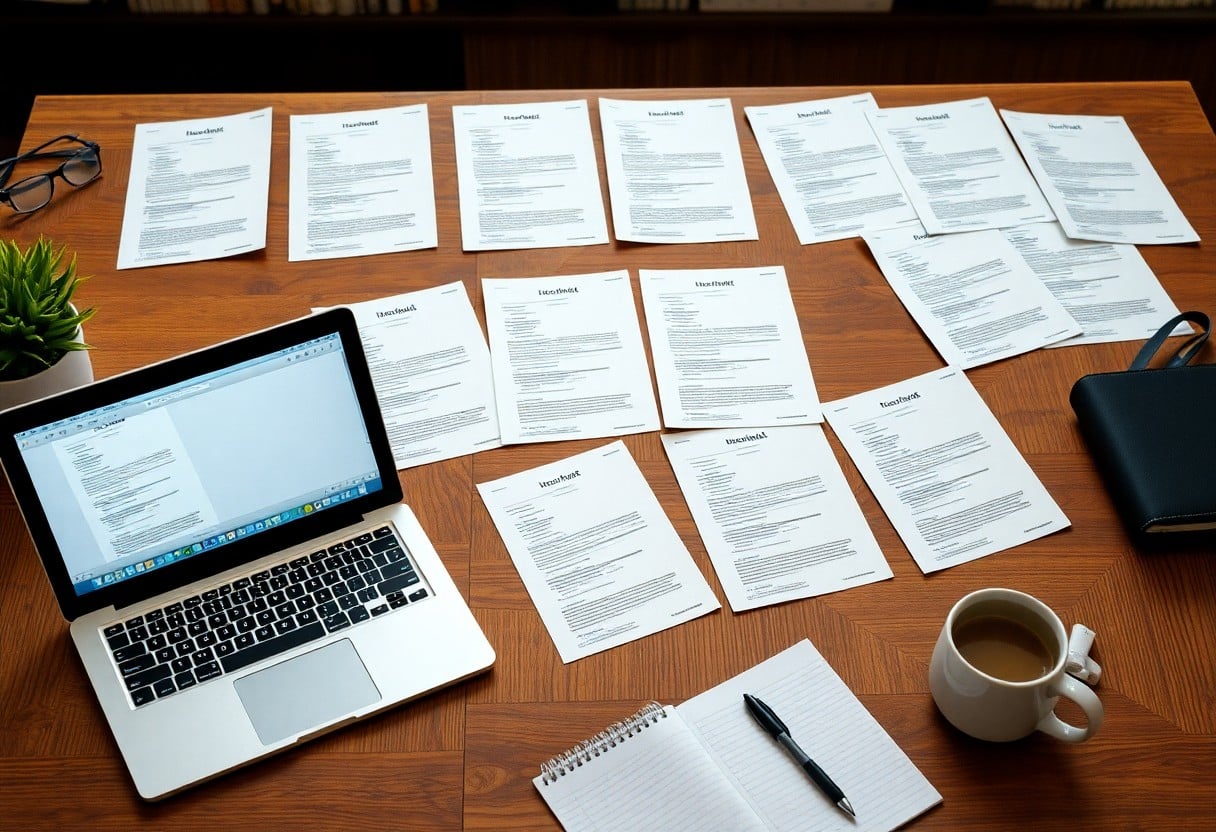
Publicity can elevate your brand and reach new audiences, and writing effective press releases is imperative to achieving that goal. In this guide, you will discover 23 proven templates that not only capture attention but have also generated $2 million in free media coverage. By applying these techniques, you can craft compelling press releases that resonate with journalists and increase your chances of being featured in major publications. Let’s explore the strategies that can transform your communication efforts and amplify your visibility.

Key Takeaways:
- Craft compelling headlines that immediately capture attention.
- Include necessary information in the first paragraph: who, what, when, where, and why.
- Utilize quotes from key stakeholders to add credibility and personalization.
- Incorporate multimedia elements, such as images or videos, to enhance engagement.
- Distribute the press release through multiple channels for maximum reach and visibility.
Understanding Press Releases
Effective press releases are vital tools for gaining media coverage, allowing you to communicate important news about your organization. When crafted correctly, they attract media attention and inform the public about your achievements, events, or milestones, ultimately enhancing your visibility and credibility.
What Is a Press Release?
A press release is a concise, formal announcement detailing significant events or updates from your organization. It typically follows a specific structure, including a headline, dateline, body, and contact information, designed to provide journalists with everything they need to report your news accurately.
The Importance of Press Releases for Media Coverage
Press releases serve as a bridge between your organization and media outlets, helping you share newsworthy information effectively. They can result in valuable media coverage, establish your authority in your industry, and reach a broader audience without the costs associated with traditional advertising.
Leveraging press releases strategically can lead to remarkable outcomes. For instance, companies that regularly utilize press releases have reported up to 40% increased visibility though various media channels. By highlighting compelling stories or key developments through these announcements, you can forge relationships with journalists, making them more likely to cover your future initiatives. Your press releases not only drive attention to your current news but also set the stage for ongoing media interest and support, ultimately amplifying your brand’s presence in the marketplace.
Essential Elements of a Press Release
Each press release you craft should contain necessary elements that draw in media professionals. These elements include a clear headline, a strong lead paragraph, body content with supporting details, and relevant contact information. By mastering these components, you ensure your message is concise, compelling, and ready for distribution, setting the stage for maximum media engagement.
Crafting an Engaging Headline
Your headline acts as the first impression of the press release. It should be concise and include actionable language that captures the reader’s attention. Use powerful keywords relevant to your topic, and aim for a headline that is no longer than 80 characters. For example, “Local Nonprofit Raises $100K for Community Food Bank in Just One Month” effectively communicates the newsworthiness upfront.
Writing a Compelling Lead Paragraph
The lead paragraph carries the weight of your press release. It should succinctly summarize the core news you’re sharing, incorporating the who, what, where, when, why, and how. Aim to provide enough context to hook the reader while keeping it under 50 words; this way, journalists quickly grasp the significance of your announcement.
Elaborate on the importance of the lead paragraph by incorporating relevant facts or statistics that underline your announcement’s impact. For instance, if your press release discusses a product launch, include market research data that highlights the product’s potential or the problem it solves. By doing so, you elevate the urgency and relevance of your news, compelling media outlets to feature your release.
How to Target the Right Media Outlets
Effective media targeting amplifies your press release’s impact, ensuring it reaches the audiences most likely to engage with your message. Research various media outlets, considering their focus areas, audience demographics, and current content trends. Use platforms like Cision or Meltwater to identify suitable journalists, blogs, and publications that align with your news and industry.
Identifying Your Audience
Understanding your audience is important for targeting the right media. Consider who will benefit from your news—customers, industry experts, or local community members—and tailor your press release to speak directly to their interests. Use demographic data and analytics to refine your approach, ensuring your message resonates with your target segments.
Building Media Relationships
Developing strong relationships with media contacts can facilitate better coverage and increased trust. Engage with journalists on social media, comment on their articles, and share relevant content to establish rapport. Attend industry events and networking opportunities to meet media representatives in person, allowing for more personalized connections. Additionally, keep a list of media contacts updated, noting their preferences and past interactions to personalize future outreach.
Tips for Enhancing Your Press Release
Enhancing your press release can significantly boost its chances of getting noticed by journalists and media outlets. Implement the following strategies to elevate your release:
- Be engaging in your headline and first paragraph.
- Focus on the “who, what, when, where, why” of your news.
- Tailor content specifically for your target audience.
- Use bullet points for easy digestibility.
- Proofread to ensure clarity and professionalism.
Assume that a well-crafted press release tailored for your audience can increase engagement and media interest.
Utilizing Quotes and Testimonials
Incorporating quotes from key stakeholders or satisfied customers can add credibility and depth to your press release. Quotes humanize the story, providing a personal touch that resonates with readers. Including a testimonial can also support your narrative, showcasing real experiences and opinions that validate your message.
Incorporating Multimedia Elements
Integrating multimedia elements like images, videos, and infographics can enhance your press release and increase its shareability. Visual content not only attracts attention but also provides additional context that can be vital for understanding your news. Studies have shown that press releases with multimedia elements are more likely to be picked up by media outlets and shared on social platforms.
Using high-quality images or engaging videos can illustrate your story in ways that text alone cannot. For example, a brand launching a new product might include a video demonstration, highlighting features and benefits effectively. Infographics can distill complex information into clear visuals, making it easier for journalists to grasp your value proposition quickly. Consider using relevant visuals that align with your message to maximize impact and appeal.
Factors That Influence Media Coverage
Your press release’s success hinges on several factors that dictate its appeal to journalists and audiences alike. Key elements include the relevance to current events, the presence of compelling visuals, and the alignment with the media outlet’s focus. Establishing a strong narrative and offering exclusive insights will make your story resonate more effectively with reporters.
- Relevance to current trends
- Unique and engaging content
- Visual assets that support the narrative
- Alignment with media outlet interests
This understanding can enhance your ability to craft messages that attract coverage.
Current Trends and Newsworthiness
For your press release to capture media attention, it must align with current trends and topics of genuine interest. Journalists are constantly on the lookout for stories that resonate with the public or highlight new developments. Keeping a pulse on industry-related news and cultural movements will enable you to position your message as timely and relevant, increasing the likelihood of coverage.
Timing Your Press Release Effectively
Strategic timing is crucial when distributing your press release. Consider industry events, holidays, and news cycles that might impact your message’s visibility. Aim to release information ahead of major events or in alignment with trending discussions to maximize engagement. Your goal is to ensure your message doesn’t get lost in a flood of news, allowing it to shine when it is most relevant.
For example, if your business is launching a new product, consider timing the release on the eve of an industry trade show. By doing so, you position your announcement alongside other relevant news, heightening the likelihood of garnering attention. Additionally, avoid releasing during weekends or major holidays, as media teams may be offline. This will help ensure your press release reaches journalists at an optimal time for engagement.

23 Templates for Effective Press Releases
Template Overview
The 23 templates provided offer diverse frameworks to craft compelling press releases that resonate with journalists and media outlets. Each template is designed for specific situations, from product launches to event announcements, ensuring your message aligns with your goals. You can streamline your writing process while maintaining clarity and impact.
Customization Tips for Each Template
Tailoring these templates to fit your unique brand voice and message is important. Start by inserting your specific details and adjust the language to reflect your company’s tone. Incorporate relevant data, statistics, or anecdotes to add authenticity and engage your audience further. After you’ve tailored the content, ensure it aligns with the newsworthiness of your announcement.
- Focus on your unique selling points.
- Replace placeholder text with specific information.
- Adapt the tone to match your brand personality.
- Craft an engaging headline that captures attention.
- After making changes, read it aloud to check for flow and clarity.
Consider incorporating elements that highlight your industry relevance or recent accomplishments. Embedding quotes from key stakeholders or subject matter experts can lend authority and interest. You can also utilize bullet points for quick facts or highlights, catering to busy journalists who skim for important information. After ensuring alignment with your overall PR strategy, finalize your drafts.
- Identify keywords for SEO optimization.
- Stay concise; keep your press release under 400 words.
- Ensure your contact information is easy to find.
- End with a boilerplate that summarizes your company.
- After finalizing, proofread for grammar and accuracy.
Conclusion
Conclusively, mastering the art of writing press releases is important for securing media coverage and maximizing your publicity potential. By utilizing the 23 templates outlined, you can craft compelling narratives that resonate with journalists and audiences alike. Focus on clear, engaging storytelling, and ensure your releases are newsworthy, timely, and visually appealing. With practice and adaptation, you’ll increase your chances of generating significant media interest and, ultimately, drive valuable exposure for your brand.
FAQ
Q: What is a press release?
A: A press release is a written statement provided to the media to announce something newsworthy, aiming to generate media coverage.
Q: How can I write a compelling headline for my press release?
A: A compelling headline should be clear, concise, and engaging. It should summarize the main point of the release and entice journalists to read more.
Q: What are the key elements to include in a press release?
A: Key elements include a strong headline, date and location, lead paragraph, body content with quotes, contact information, and a boilerplate about the organization.
Q: How can I ensure my press release reaches the right media outlets?
A: Research relevant media contacts and platforms in your industry, tailor your lists according to their interests, and use distribution services for wider reach.
Q: What templates can I use to write an effective press release?
A: Various templates are available that outline the structure of a press release, including sections for headlines, subheadlines, body text, and contact information, making it easier to craft a professional document.