

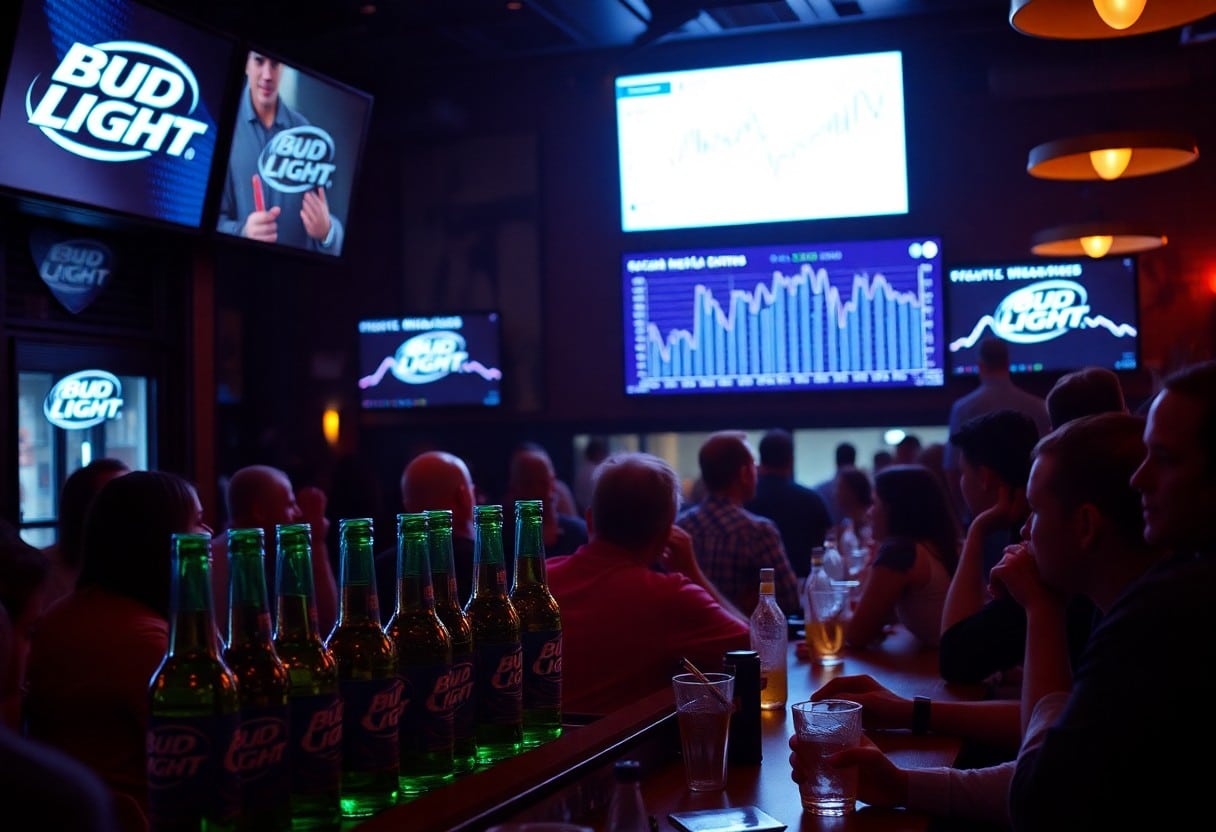
Timeline events surrounding Bud Light’s staggering $6 billion social media crisis reveal how rapidly brand reputations can shift in the digital age. You will explore the key moments that led to this unprecedented fallout, examining the decisions made and the public reactions that followed. Your understanding of this situation will deepen as we break down the timeline of events, analyze the company’s responses, and discuss the broader implications for brands navigating social media landscapes today.
Key Takeaways:
- Bud Light faced a significant backlash following a marketing partnership with a controversial influencer, impacting brand perception and sales.
- The crisis rapidly escalated on social media platforms, contributing to a viral negative sentiment that affected consumers’ purchasing decisions.
- Bud Light’s response included adjustments in marketing strategies and public relations efforts to mitigate damage and regain consumer trust.
- Competitors capitalized on Bud Light’s missteps, resulting in a notable shift in market share within the beer industry.
- The incident illustrates the potential risks brands face when engaging in social media campaigns, necessitating careful consideration of partnerships and messaging.

The Catalyst of the Crisis
Initial Campaign Launch
The crisis ignited with Bud Light’s partnership with a well-known social media influencer, marked by a campaign promoting inclusivity and diversity. This initiative aimed to resonate with younger consumers, showcasing a new direction for the brand. However, the influencer’s contentious reputation quickly overshadowed the campaign’s intentions, sparking widespread debate online.
Immediate Backlash
Almost immediately, the campaign was met with fierce opposition. Social media erupted with users expressing their discontent, leading to a viral wave of negative responses. Many long-time fans declared their intention to boycott the brand, resulting in lost sales and significant damage to Bud Light’s reputation.
In the following days, the backlash intensified as hashtags like #BoycottBudLight trended across platforms, showing the depth of consumer sentiment. Influencers from various niches joined the conversation, urging their followers to reconsider their loyalty to the brand. Reports indicated that some retailers even experienced a 20% drop in Bud Light sales shortly after the campaign launched, reflecting the strong impact of this social media storm on consumer behavior and brand positioning.
Social Media Reactions
As Bud Light’s crisis unfolded, social media buzzed with a mix of outrage, humor, and confusion. Users took to platforms like Twitter and TikTok to express their discontent, often using memes and viral trends to amplify their messages. The sheer volume of posts, reactions, and counter-reactions not only ignited debates but also highlighted the brand’s polarized perception among different demographic groups. As the narrative evolved, it became evident that both support and backlash shaped Bud Light’s response strategy.
Key Platforms and Trends
Twitter emerged as a battleground for discontent, with hashtags like #BudLightBoycott trending. TikTok videos showcased both parody and criticism, utilizing the platform’s creative tools to influence younger consumers. Facebook discussions polarized communities, while Instagram stories captured the swift evolution of brand sentiment. Your engagement across these platforms illustrated not just the viral nature of the crisis, but also the distinct demographics shaping each platform’s narrative.
Influencers Weigh In
Influencers across various niches started commenting on Bud Light’s predicament, further complicating the brand’s image. From celebrity endorsements to grassroots content creators, their perspectives varied widely. Some took to social media to defend the brand, highlighting its contributions to various communities, while others leveraged the situation for humor or critique, reaching millions within hours.
Influencers played a significant role in shaping public opinion during Bud Light’s crisis. High-profile figures with large followings weighed in quickly, creating a ripple effect. For example, popular YouTubers reacted to promotional campaigns, often dissecting the brand’s messaging and marketing tactics in front of engaged audiences. This engagement not only magnified the existing emotional reactions but also contributed to rapid shifts in consumer sentiment, making it clear that influencer impact transcended traditional advertising strategies and directly influenced brand perception during this pivotal moment. Your awareness of these dynamics can help you understand the broader implications of influencer marketing in times of crisis.
Financial Impact
The financial ramifications of Bud Light’s $6 billion social media crisis have reverberated throughout the company’s balance sheets, impacting both immediate revenue and long-term brand equity. Shareholder confidence has wavered amidst negative publicity and shifting consumer preferences, leading to a pivotal reevaluation of marketing strategies and resource allocation.
Stock Market Response
Your investments in Bud Light likely felt the pinch following the crisis, with stock prices experiencing significant fluctuations. In the wake of the controversy, shares dropped nearly 20% over a few weeks, reflecting investor concerns regarding the potential long-term effects on brand perception and market share.
Sales Decline and Recovery Efforts
Sales figures show a sharp decline for Bud Light, with volume dropping by 25% in key markets as consumers reevaluated their brand loyalty. In response, the company has implemented various recovery efforts, including targeted marketing campaigns and promotional discounts to regain market traction and rebuild consumer trust.
Bud Light has invested heavily in re-engaging consumers by leveraging social media influencers and community events, aiming to redefine its brand image. Key campaigns emphasize traditional values that resonate with core customers, while initiatives like limited-time local flavors and partnerships with regional events serve to rekindle interest. Monitoring key performance indicators will be important in measuring the effectiveness of these recovery efforts and in guiding future strategies.

Brand Response Strategy
Bud Light’s response strategy involved a multi-faceted approach to regain consumer trust and stabilize its market position. The brand aimed to address the crisis head-on, utilizing immediate engagement and long-term recovery tactics. Focus shifted toward reinforcing the brand’s core values and aligning its messaging with its audience’s sentiments, which became imperative in managing the fallout from the backlash.
Communication Tactics
Effective communication tactics included a rapid response through social media platforms, where Bud Light provided transparent updates and affirmations of its commitments. You likely saw the company deploying distinct hashtags to rally loyal customers and encourage community dialogue, creating a sense of connection amidst the chaos.
Public Relations Movements
Bud Light’s public relations movements played a significant role in reshaping its narrative during the crisis. The team organized events and promotional campaigns to engage directly with consumers, showcasing the brand’s responsiveness to public sentiment.
Strategically planned campaigns included partnerships with popular influencers who embodied the brand’s desired image, aiming to humanize Bud Light and recover its reputation. You might have noticed how the brand hosted craft beer festivals and community gatherings, where they provided opportunities for direct interaction with consumers. These initiatives helped dispel negativity while emphasizing the brand’s commitment to listen and evolve based on consumer feedback, thus gradually rebuilding its image in the marketplace.
Case Studies and Comparisons
You can learn from various case studies that reflect the dynamics of social media crises in the beverage industry. These comparisons highlight how different brands navigated similar hurdles, providing valuable insights and strategies.
- Coca-Cola – Faced a $4 billion loss in revenue in 2018 due to a boycott in response to controversial marketing. Despite the backlash, they regained market share through targeted community engagement and adaptation.
- Pepsi – Experienced significant backlash from its 2017 ad featuring Kendall Jenner, resulting in a 30% decline in ad recall, prompting a swift public apology and rebranding to improve consumer relations.
- Heineken – Encountered criticism for its “Worlds Apart” campaign, garnering a 20% drop in social media engagement. They shifted their strategy to focus on local community initiatives and transparency.
Similar Brand Crises
Other brands have faced tumultuous social media challenges similar to Bud Light’s situation. In 2020, the backlash against a celebrity endorsement by a soft drink brand led to a significant dip in brand impression scores, emphasizing the importance of alignment between brand values and consumer expectations.
Lessons Learned
Every crisis offers an opportunity for learning. The aftermath of Bud Light’s situation underscores the significance of understanding your audience and their values, alongside the necessity of swift, transparent communication during a crisis.
Analyzing the Bud Light crisis reveals that proactive engagement with consumers can mitigate damage. Brands must gauge public sentiment continuously, ensuring messaging resonates positively. Responsive measures, such as authentic apologies and community-driven initiatives, create pathways for restoring brand loyalty. These lessons serve as a template for effectively navigating future challenges, ensuring alignment with consumer values while maintaining brand integrity.
Consumer Sentiment Analysis
Your understanding of consumer sentiment regarding Bud Light has shifted dramatically since the outset of the crisis. Utilizing sentiment analysis tools reveals a marked decline in positive mentions on social media, plummeting from approximately 60% pre-crisis to under 25% post-incident. This decline highlights the visceral reactions from loyal customers and the broader public, indicating a significant disconnect that the brand must address moving forward.
Shifts in Brand Perception
You may have noticed tangible shifts in how consumers perceive Bud Light. The brand’s image often associated with fun and camaraderie has transitioned to one seen as controversial and divisive. A previously loyal demographic now engages with the brand through a lens of skepticism, with comparable brands capitalizing on Bud Light’s missteps through targeted marketing campaigns.
Long-term Effects on Customer Loyalty
Long-term effects on customer loyalty for Bud Light could prove detrimental. Customer sentiment data shows that previously loyal drinkers may consider switching brands, with reports indicating that nearly 40% of former consumers now prefer alternatives. This volatility signals a potential erosion of the brand’s longstanding customer base as competition seizes the moment.
Loyalty programs and community engagement initiatives will be imperative as Bud Light navigates this crisis. Rebuilding trust requires transparency and sustained dialogue with consumers. Demonstrating genuine commitment to addressing concerns can foster a renewed sense of connection. You might find that personalization in marketing campaigns can also play a critical role. As brands pivot towards authenticity, Bud Light’s challenge will be to recapture hearts and minds without alienating existing customers further, ensuring long-term viability in an increasingly competitive market landscape.
Summing up
Ultimately, you can see how Bud Light’s $6B social media crisis unfolded through a series of strategic missteps and consumer reactions. This timeline details the events that led to significant brand damage and offers insights that may help you navigate similar challenges in your business. By analyzing these key moments, you can better understand the importance of aligning your marketing strategies with customer values and effectively managing your brand’s reputation in the digital sphere.
FAQ
Q: What initiated Bud Light’s $6B social media crisis?
A: The crisis began when Bud Light partnered with a social media influencer for a promotional campaign that drew significant backlash from a segment of its customer base, leading to widespread negative publicity across various platforms.
Q: How did the company’s sales figures change during the crisis?
A: Following the backlash, Bud Light experienced a notable decline in sales, with reports indicating a drop of over 20% in certain markets, significantly impacting overall revenue and brand perception.
Q: What actions did Bud Light take to address the situation?
A: In response to the crisis, Bud Light implemented a strategy that included public statements emphasizing their commitment to their core audience, followed by adjustments in marketing strategy and increased engagement with customers on social media.
Q: How did the response from social media influencers impact the crisis?
A: Some influencers sided with Bud Light, promoting the brand to their followers, while others publicly criticized the backlash and the brand’s decisions, creating a divide in public opinion and affecting the overall narrative around the crisis.
Q: What long-term effects has the crisis had on Bud Light?
A: The social media crisis has led to lasting changes in Bud Light’s marketing strategies and brand positioning, as the company has focused more on understanding consumer sentiments and adapting to shifting cultural dynamics in their campaigns.